Do EVs just move emissions to the power station? Is battery mining worse than oil? Here's a balanced, evidence-based look at whether electric cars are genuinely greener, with NZ context
It's one of the most persistent debates around electric vehicles, and one where the two loudest camps are both wrong. One side treats EVs as flawless zero-emission saviours. The other insists they're a con, that battery manufacturing and mining make them just as bad as, or worse than, petrol cars.
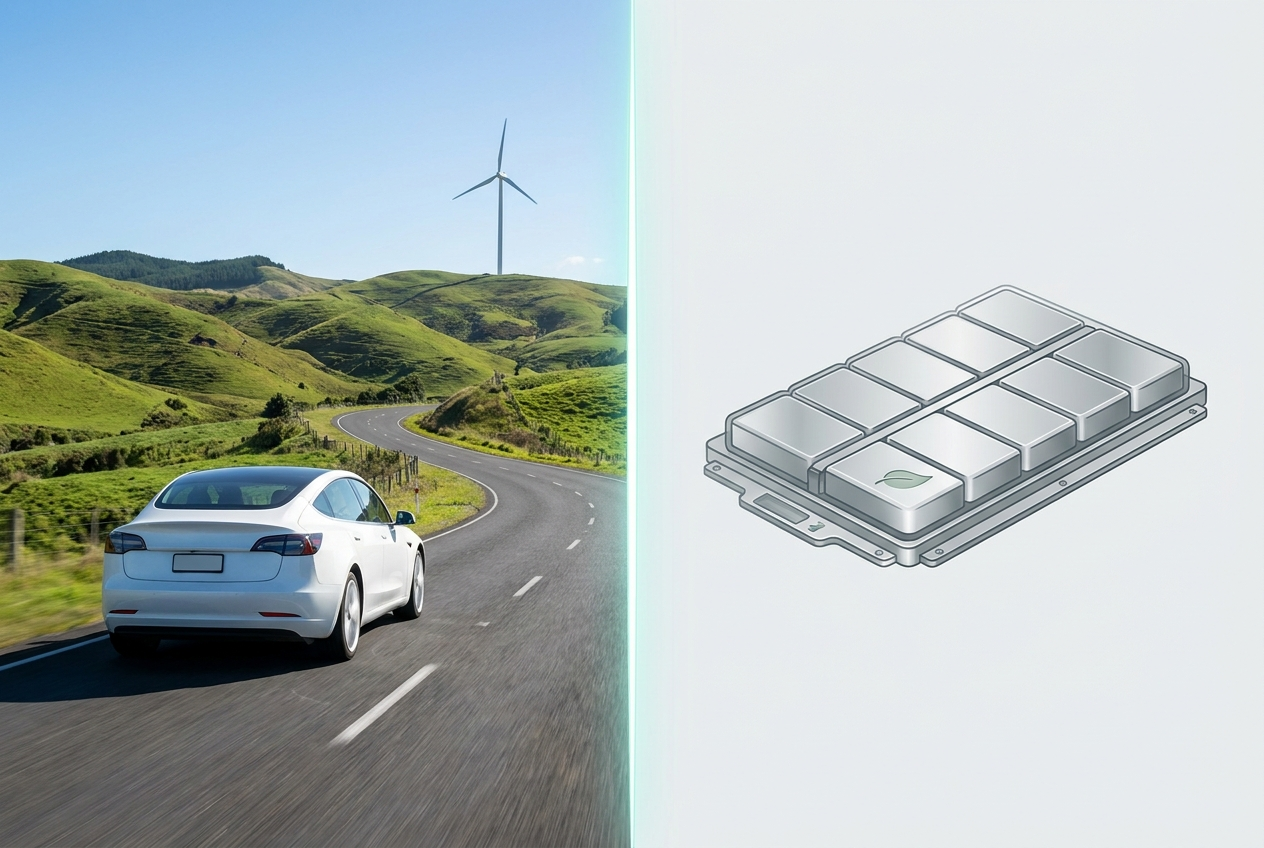
The honest reality sits between these extremes, and it's genuinely more interesting than either. Here's a balanced, evidence-based look at whether EVs are actually better for the environment, including the legitimate criticisms, and what the data says once you account for them. New Zealand's context, as it turns out, makes the case unusually strong.
The one comparison that matters: lifecycle emissions
When people argue about EVs and the environment, they're often talking past each other because they're measuring different things.
Critics point to manufacturing. Supporters point to tailpipes. The only fair way to settle it is to measure the entire life of the vehicle, from mining the raw materials, through manufacturing, through every kilometre driven, to eventual recycling. This is called lifecycle emissions, and it's the only number that tells the full story.
And here the evidence is remarkably consistent. According to ICCT research, battery electric cars produce around 73% less lifecycle greenhouse gas emissions compared with petrol and diesel counterparts, and this takes production into account.
But to trust that number, you have to engage honestly with the criticisms. So let's do that.
The legitimate criticism: manufacturing an EV is dirtier
This is the part EV advocates should be honest about, because it's true.
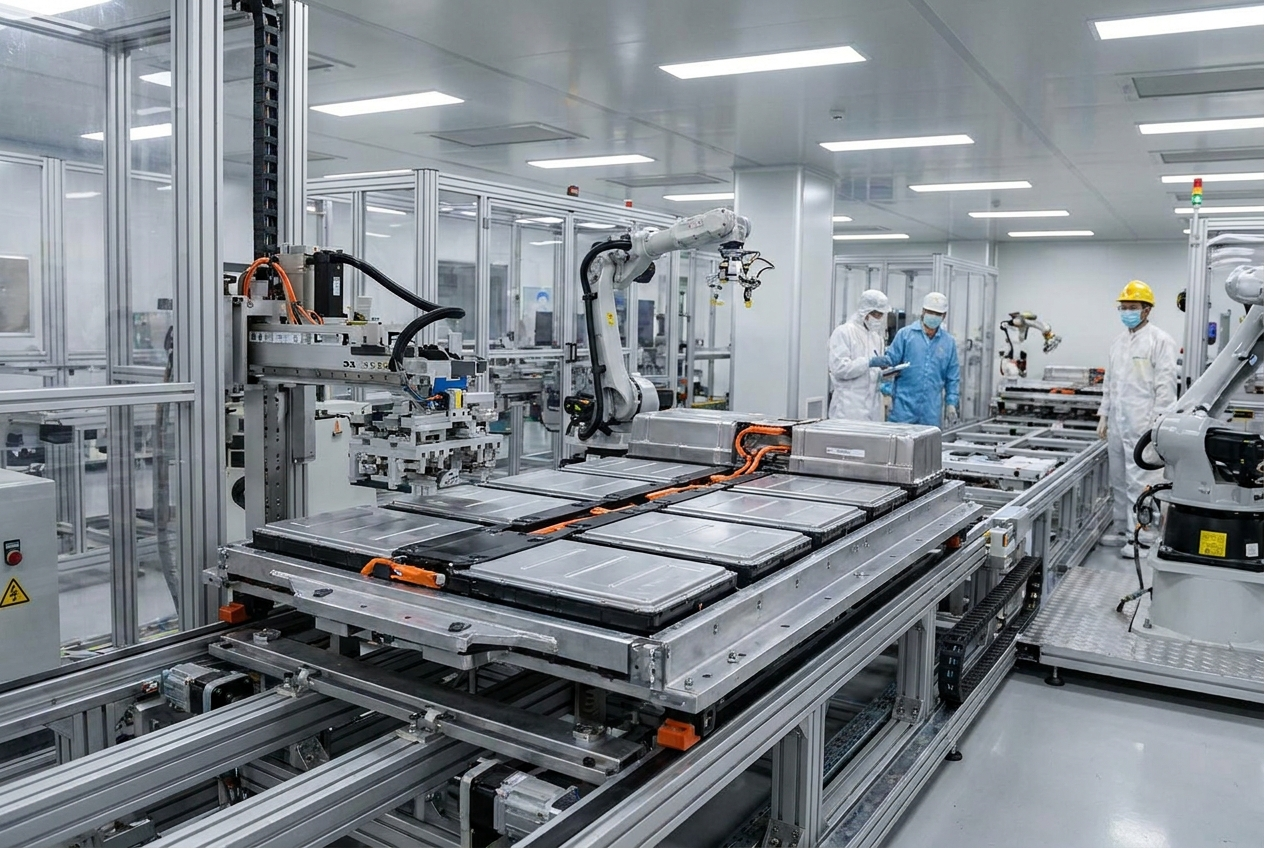
EVs produce significantly more emissions during manufacturing than petrol cars, primarily because battery production is energy-intensive. That's the carbon debt critics correctly point out.
The numbers, based on 2025-2026 data for a medium-sized vehicle: EV manufacturing totals around 15-20 tonnes of CO2e, versus 8-12 tonnes for a petrol car. The difference is almost entirely the battery.
A study comparing EV and combustion emissions found that 46% of an EV's carbon emissions come from the production process, while for a petrol vehicle they account for only 26%. In other words, an EV starts its life with a bigger carbon footprint than a petrol car. This is not spin, it's simply the reality that a large lithium-ion battery pack carries substantial embodied carbon.
So if you stopped the analysis at the factory gate, the critics would be right. But of course, that's not where a car's life ends, it's where it begins.
How quickly the carbon debt is repaid
Once an EV is on the road, the maths flips, because a petrol car keeps emitting CO2 with every single kilometre, while an EV (especially on a clean grid) emits far less.
The initial carbon debt is finite. Once the car is on the road, emissions are dramatically lower. Petrol and diesel cars continue emitting CO2 throughout their lives, their emissions curve rises steadily and never flattens. Electric cars start higher but then level off, and ultimately end far lower.
How quickly does an EV "pay back" its manufacturing carbon debt and pull ahead? It depends heavily on how clean the electricity is:
According to the ICCT 2025 lifecycle analysis, an EV in Europe offsets its higher manufacturing emissions after about 17,000km of use, typically one to two years of driving. The breakeven point is far sooner in countries with clean grids: around 25,000km in France, compared to as much as 153,000km in coal-heavy grids like parts of China.
The single biggest variable is the electricity mix. And this is exactly where New Zealand's situation becomes compelling.
Why New Zealand is close to a best-case scenario
New Zealand's electricity grid is around 85% renewable, dominated by hydro, geothermal, and wind. This is one of the cleanest grids in the developed world, and it fundamentally changes the environmental maths for EVs driven here.
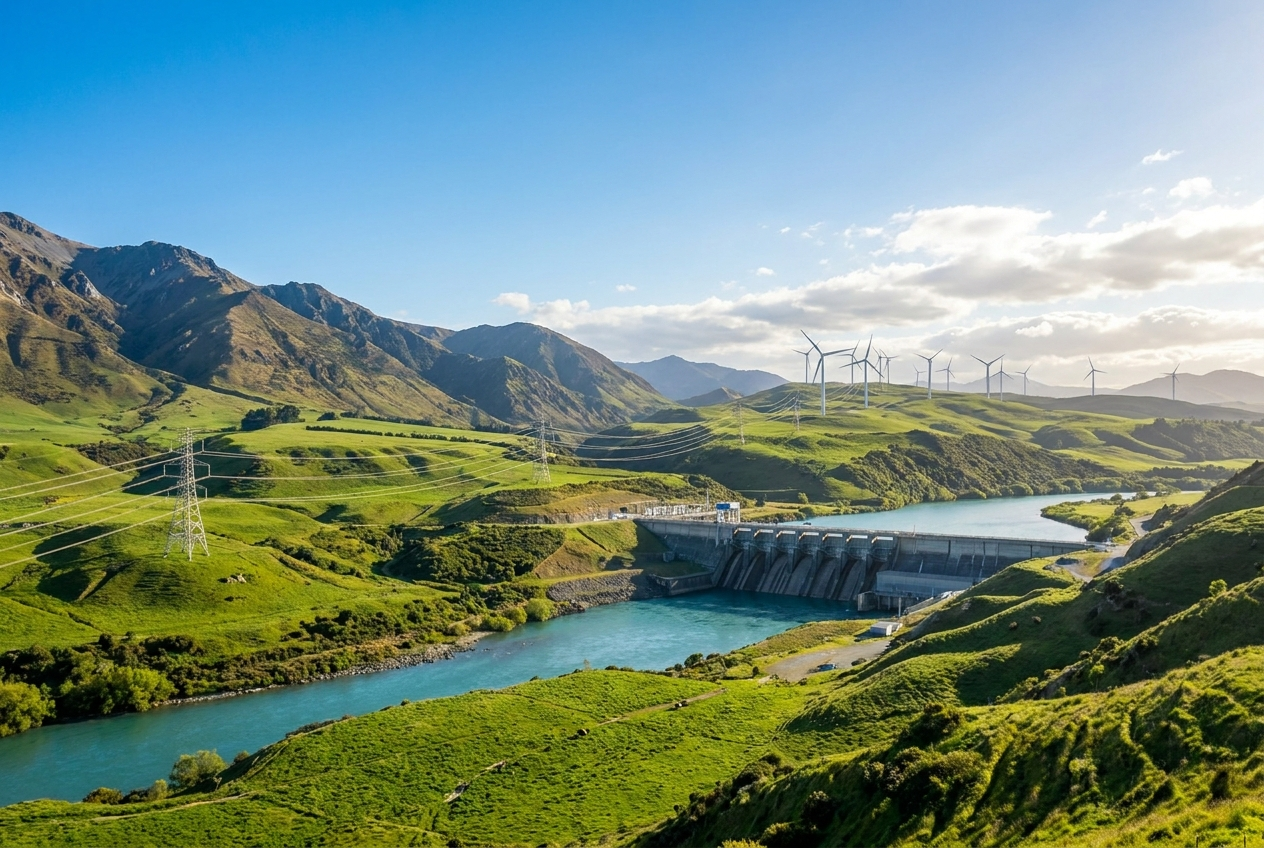
Because charging an EV in New Zealand draws on such clean electricity, the "you're just moving emissions to the power station" argument, which has genuine force in coal-dependent countries, largely falls away here. The power station in New Zealand is, most of the time, a hydro dam or a wind farm.
This means:
- The carbon debt from manufacturing is paid back quickly, because each kilometre driven in NZ is exceptionally low-emission
- An EV charged in NZ is close to the cleanest-case scenario found anywhere in global lifecycle studies
- As New Zealand's grid continues to decarbonise toward its renewable targets, every existing EV automatically gets cleaner over time, something a petrol car can never do
That last point is worth dwelling on. As the electricity grid continues to decarbonise, all existing EVs automatically become cleaner over time. A petrol car is as clean as it will ever be on the day it leaves the factory, and gets dirtier as it ages. An EV does the opposite.
The battery mining question
The other major criticism concerns the mining of lithium, cobalt, nickel, and other materials for batteries, raising legitimate concerns about environmental damage and, in the case of cobalt, labour conditions in some regions.
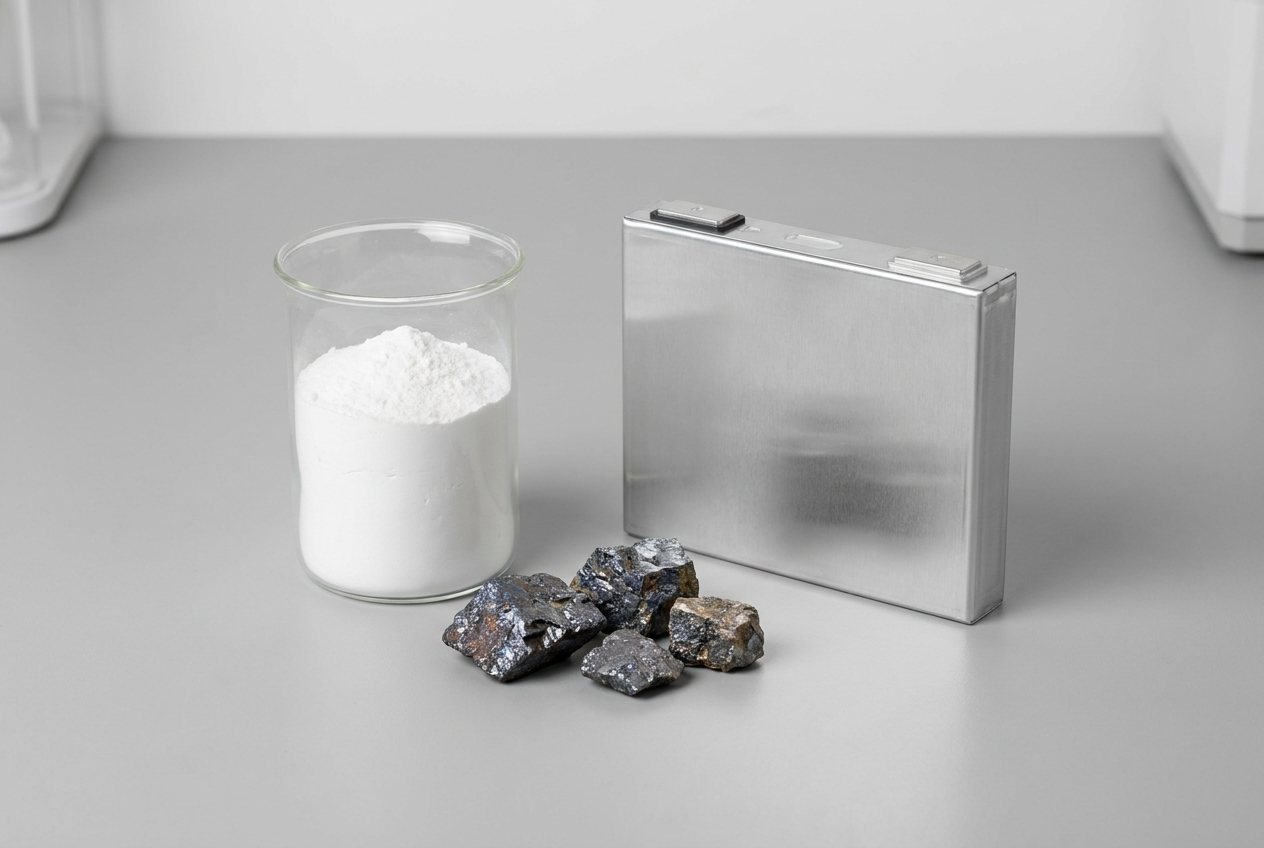
This is a real issue that deserves an honest answer rather than dismissal. A few points of genuine context:
Petrol isn't extraction-free either. It's easy to frame EVs as uniquely dependent on mining while forgetting that oil extraction, refining, and transport carry their own very substantial and ongoing environmental footprint. The difference is that an EV's material extraction is largely a one-time event at manufacture, while a petrol car requires a continuous supply of extracted, refined fuel for its entire life.
The industry is actively reducing problem materials. Cobalt, the most ethically fraught battery material, is being progressively engineered out. LFP (lithium iron phosphate) batteries, now nearly half the global EV battery market, contain no cobalt and no nickel at all. This trend is accelerating.
Materials are recoverable. Unlike burnt petrol, which is gone forever, battery materials can be recovered and reused. Electric car batteries last 15-20 years in vehicles, then often enjoy a second life in energy storage before being up to 95% recyclable. The materials mined today increasingly become the feedstock for tomorrow's batteries.
None of this makes battery mining impact-free, it isn't. But the honest comparison is not "mining versus nothing," it's "one-time, increasingly-recyclable material extraction versus a lifetime of continuous fossil fuel extraction and combustion."
What about tyres, roads, and other impacts?
A fair analysis acknowledges that EVs aren't impact-free in other ways. They're heavier than equivalent petrol cars due to battery weight, which can increase tyre and road wear and associated particulate emissions. This is a genuine consideration, though it applies to all heavy vehicles, and it's dwarfed by the tailpipe emissions eliminated.
EVs also produce zero tailpipe emissions, which has a direct and measurable benefit for local air quality, particularly relevant in urban areas where vehicle exhaust contributes to respiratory health problems. This is a benefit that doesn't show up in CO2 figures but matters a great deal for public health.
The honest bottom line
Are EVs better for the environment? Based on the evidence: yes, clearly, but not perfectly, and not equally everywhere.
The fair summary:
- Manufacturing an EV does produce more emissions than manufacturing a petrol car, mostly due to the battery. This is real.
- That carbon debt is repaid within the first year or two of driving in a country with a clean grid like New Zealand.
- Over its full life, an EV driven in New Zealand produces dramatically lower emissions than an equivalent petrol car.
- Battery mining raises genuine concerns that the industry is actively working to reduce, and it must be weighed against, not compared to zero, but against, the continuous extraction and burning of fossil fuels.
- New Zealand's exceptionally clean grid makes the environmental case for EVs here about as strong as it is anywhere on Earth.
The people who claim EVs are a con have usually stopped their analysis at the factory gate. The people who claim they're perfect have usually skipped the manufacturing and mining chapters. The truth, that EVs are meaningfully, measurably better over their full life, especially in New Zealand, while not being flawless, is less dramatic than either headline, but it's what the evidence actually shows.
Disclaimer
The content in this post is based on our own research and publicly available lifecycle emissions studies and is intended for general informational purposes only. Figures for manufacturing emissions, breakeven distances, and lifecycle comparisons vary between studies, vehicle types, and electricity grids, and are subject to ongoing revision as data improves. We encourage readers to consult the underlying research from bodies such as the ICCT and to draw their own conclusions.