What's the difference between cylindrical, prismatic, pouch, and blade EV battery cells? Here's what each format means for range, durability, and safety mapped to real vehicles available in New Zealand.
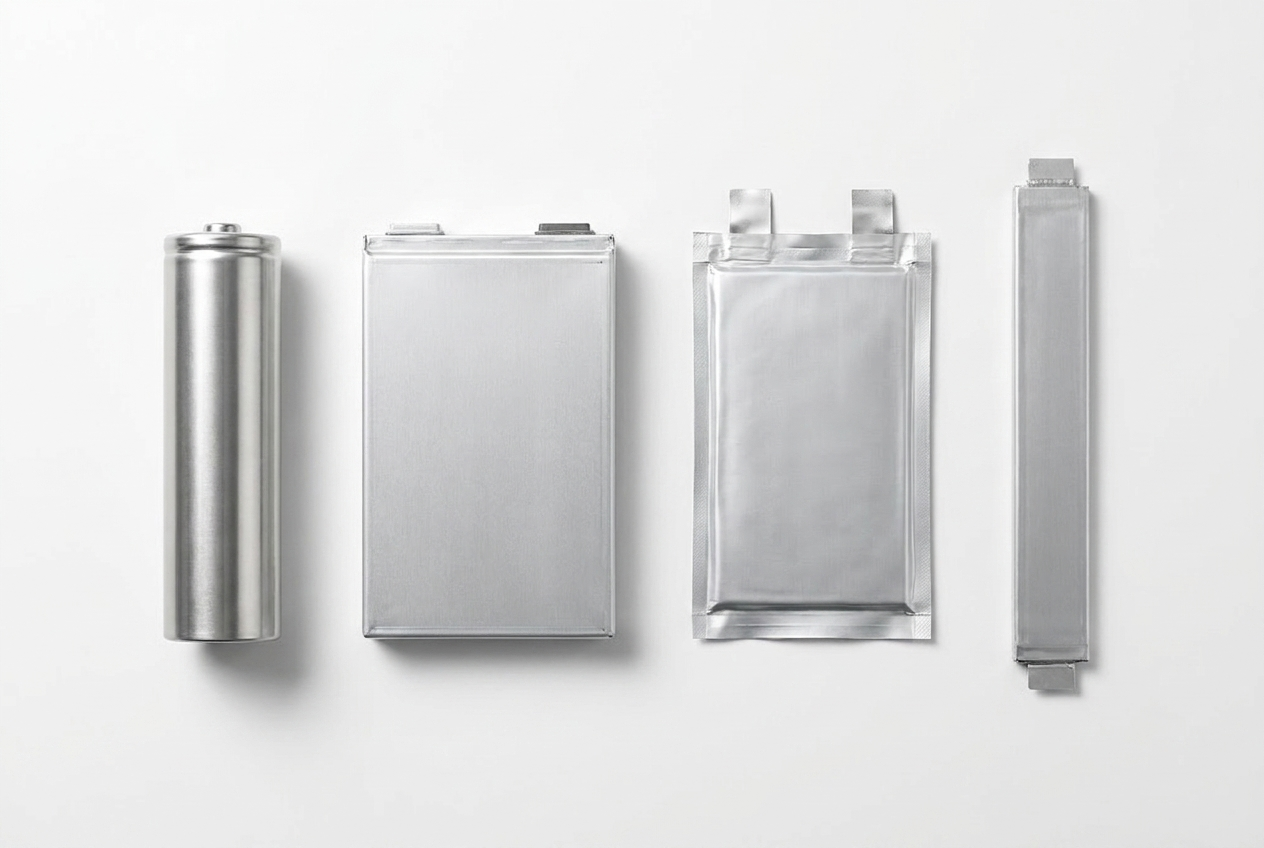
Open the bonnet of a Nissan Leaf and peer inside the battery pack. Open a Tesla Model 3 and look under the floor. Open a BYD Atto 3. All three are electric vehicles. All three use lithium-ion chemistry. But the physical shape and structure of the cells inside those batteries is completely different, and that difference affects durability, thermal management, cost, and how the pack is engineered into the vehicle.
| Understanding EV battery cell formats won't tell you which car to buy on its own. But it's useful context for comparing vehicles, understanding why certain models behave the way they do, and making sense of the wider EV technology conversation. This guide covers the four main formats you'll encounter in the NZ market in plain English. |
 |
First: what's the difference between cell format and battery chemistry?
These two terms often get conflated, but they describe different things.
Cell format refers to the physical shape and structure of the cell, its container. Is it a cylinder, a flat rectangle, a flexible pouch?
Battery chemistry refers to what's inside, the materials used for the cathode, anode, and electrolyte. LFP, NMC, NCA, these are chemistries, not formats.
The same chemistry can be produced in different formats. For example, LFP (lithium iron phosphate) is almost exclusively made in prismatic or blade format, while NMC can be found in cylindrical, prismatic, or pouch cells.
Think of it this way: the format is the container, the chemistry is the recipe inside.
Format 1: Cylindrical cells
| What they look like: Exactly what the name suggests, round, tube-shaped cells. The most familiar consumer form is the standard AA battery. EV cylindrical cells are bigger: the common sizes are 18650 (18mm diameter, 65mm long), 21700, and Tesla's newer 4680 (46mm diameter, 80mm long). |
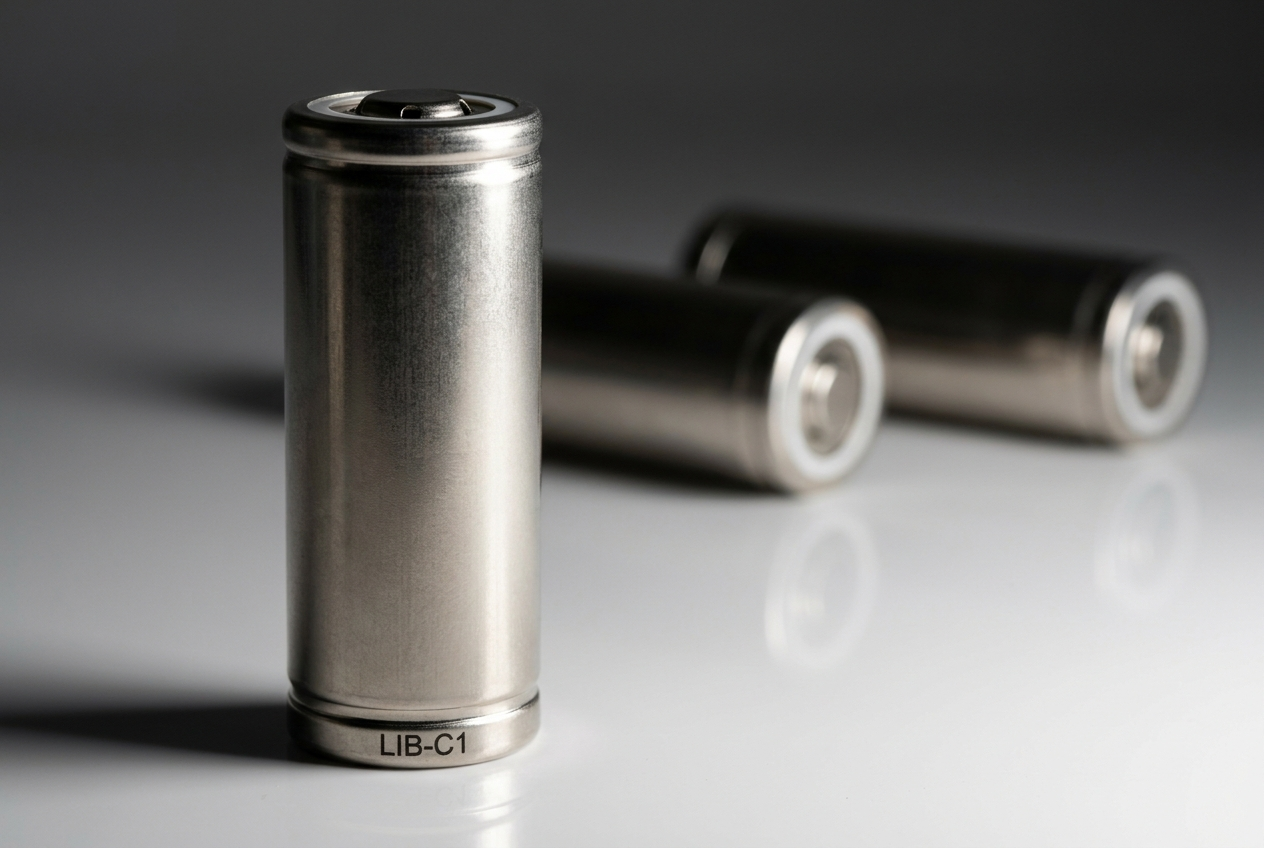 |
Who uses them: Tesla is the most prominent user of cylindrical cells, using 4680 cells in newer Model 3 and Model Y production. Earlier Tesla models used 18650 and 21700 formats. Rivian also uses cylindrical cells.
How they're assembled: Because they're small, individual cylindrical cells are combined in very large numbers to make a full battery pack. A Tesla Model 3 pack contains thousands of individual cells. This requires complex interconnection and thermal management, liquid coolant is typically circulated between rows of cells, which actually aids cooling efficiency.
Advantages:
- Mature, highly automated manufacturing, the production process has been refined over decades, keeping costs low and consistency high
- Excellent thermal management, the gaps between cylindrical cells allow coolant to flow through effectively
- High mechanical durability, the rigid metal casing provides good structural integrity
- Long lifespan, cylindrical cells can achieve up to 25,000 charge cycles under optimal conditions
Disadvantages:
- Lower pack-level space efficiency, the round shape means gaps between cells that can't be used for energy storage
- Complex interconnection, thousands of cells requires thousands of electrical connections, adding manufacturing complexity
- Heavier pack-level weight for equivalent capacity compared to prismatic formats in some configurations
In the NZ used market: Tesla Model 3, Tesla Model Y, both common in the NZ used market above $30,000.
Format 2: Prismatic cells
| What they look like: Flat, rectangular cells in a rigid aluminium or steel casing. Much larger than cylindrical cells individually, a single prismatic cell can be the size of a paperback book or larger. |
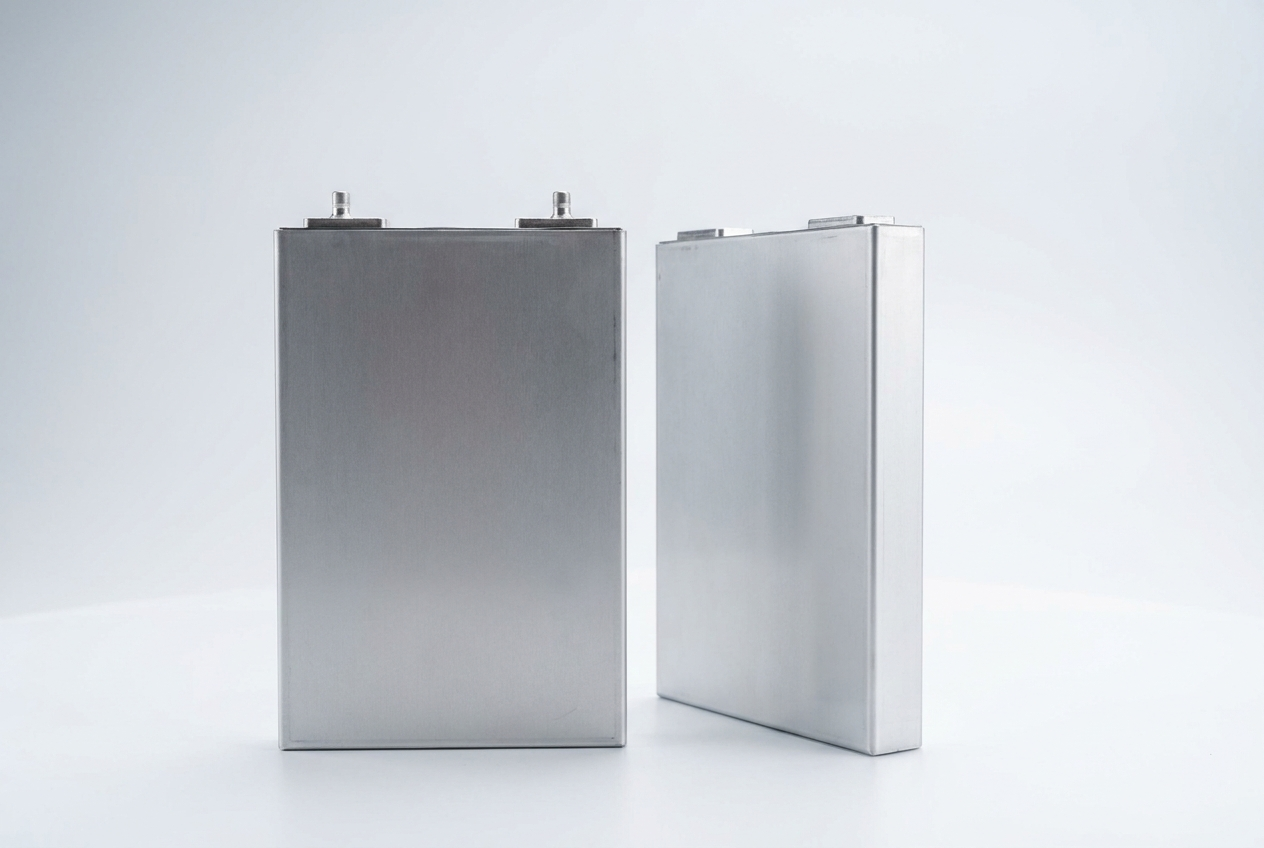 |
Who uses them: CATL (the world's largest battery manufacturer) produces large volumes of prismatic cells. Many Chinese EVs use prismatic formats, BYD (prior to blade), various SAIC and Geely models, and Volkswagen Group vehicles including some Audi and Volkswagen EV models.
How they're assembled: Prismatic cells are stacked side by side in modules, then modules are combined into a pack. Fewer cells are needed compared to cylindrical formats, a pack might use dozens of prismatic cells rather than thousands of cylindrical ones. This simplifies the interconnection and module assembly process.
Advantages:
- Good space efficiency, the rectangular shape packs together without gaps
- Simpler module assembly with fewer individual connections
- Rigid casing provides good structural protection
- Easier to scale pack capacity by adding or removing cells
Disadvantages:
- Thermal management is more challenging, there's less surface area for cooling per unit of energy compared to cylindrical arrangements, and the rigid casing doesn't allow for cell expansion
- Cell swelling can occur as the battery ages, prismatic cells expand slightly over charge cycles, which must be managed mechanically within the pack design
- Less manufacturing maturity than cylindrical, though rapidly improving
In the NZ used market: Various Chinese-brand EVs, some Volkswagen Group models. Less common in older used imports; increasingly relevant in 2022-onwards vehicles entering the used market.
Format 3: Pouch cells
| What they look like: Soft, flat, flexible cells encased in a laminated aluminium-plastic film, like a sealed, rigid envelope. Pouch cells can be made in almost any size and shape, which gives designers significant flexibility. |
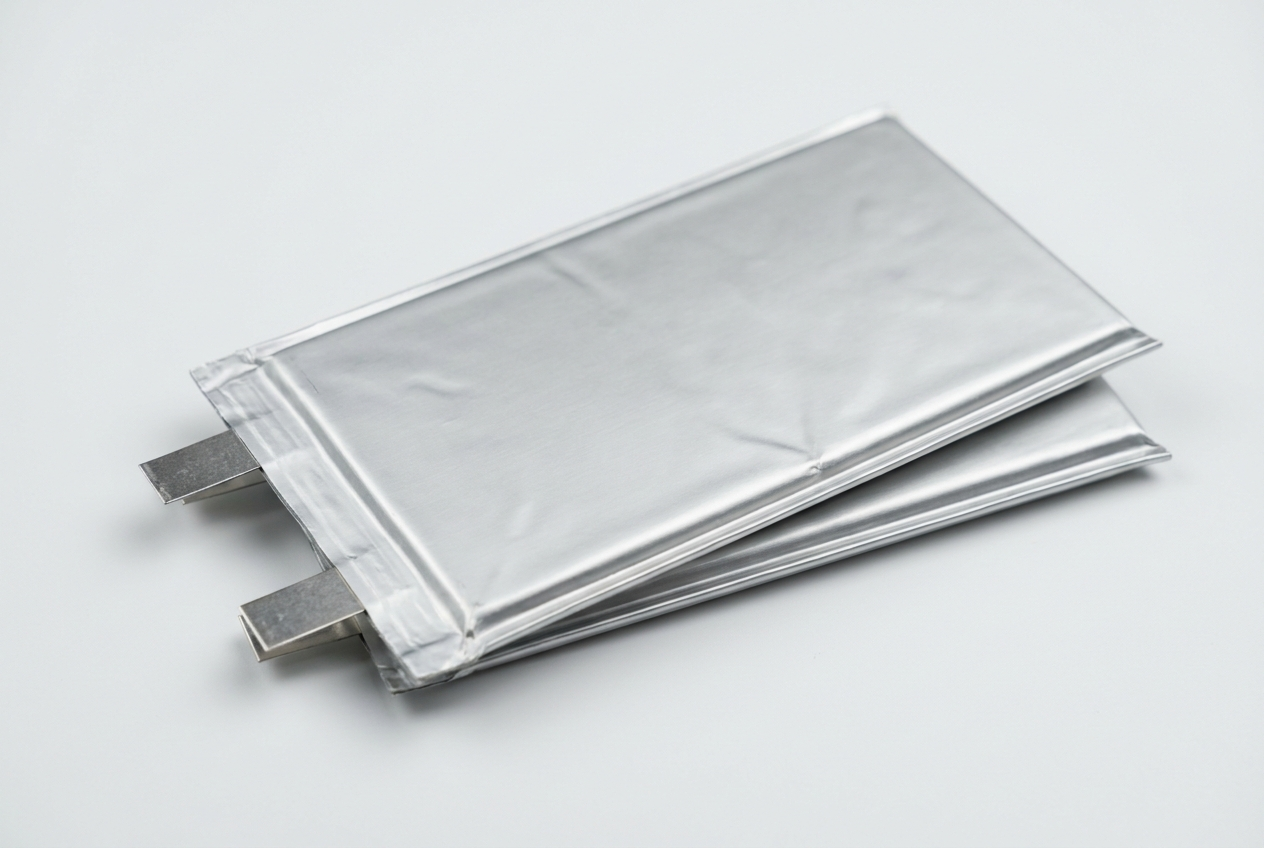 |
Who uses them: The Nissan Leaf, by far the most common EV in New Zealand uses pouch cells. Some Hyundai and Kia models also use pouch format. Earlier Chevrolet Bolt models used pouch cells.
How they're assembled: Pouch cells are stacked in flat layers and assembled into modules. Because they have no rigid outer casing, they require the module structure to provide mechanical support and compression.
Advantages:
- Highest gravimetric energy density of the three main formats more energy per kilogram, in theory
- Highly flexible form factor can be designed to fit unusual spaces within the vehicle
- Lightest format due to the thin flexible casing
- Good design flexibility for vehicle architects
Disadvantages:
- The flexible casing offers less mechanical protection pouch cells require robust module engineering to prevent damage
- More vulnerable to swelling from overcharge or heat, requires careful BMS control
- Generally higher manufacturing cost and complexity than cylindrical
- Less thermal management surface area than cylindrical, relevant for vehicles without active liquid cooling (such as older Nissan Leafs)
In the NZ used market: Nissan Leaf (all variants) the dominant used EV in NZ. This is directly relevant: the Leaf's well-documented sensitivity to heat-related degradation is partly a function of its pouch cell format combined with the lack of active thermal management on earlier models. Later 40kWh and 62kWh Leaf models improved the thermal management system.
Format 4: Blade cells
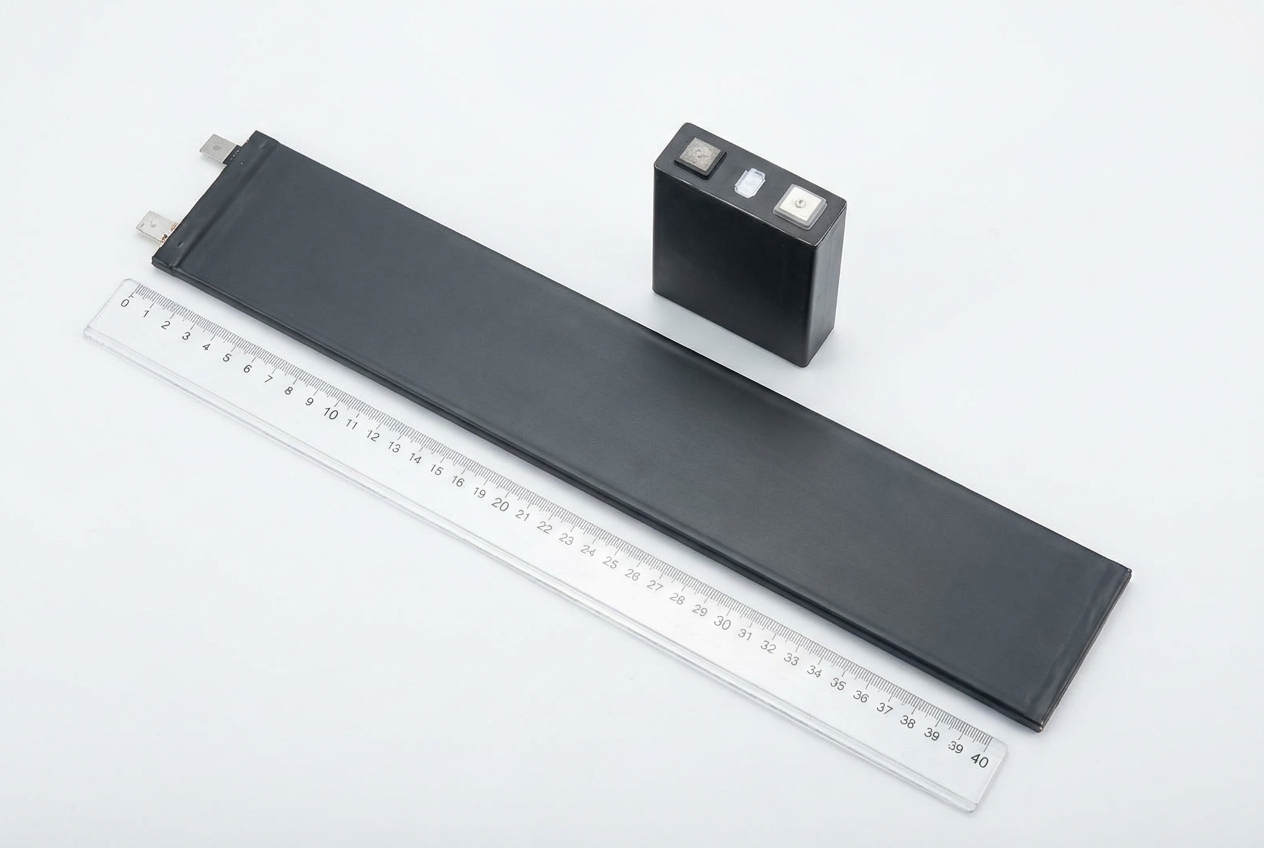
| What they are: Blade cells are a proprietary variant of prismatic cells developed by BYD. They are extremely thin and long, resembling blades, which allows them to span the full width of the battery pack without requiring intermediate module housings. BYD calls this a "cell-to-pack" architecture. |
 |
Who uses them: BYD vehicles exclusively including the BYD Atto 3, BYD Seal, and other BYD models increasingly available in New Zealand.
How they're assembled: Rather than grouping cells into modules and then modules into a pack, blade cells are inserted directly into the pack structure. This eliminates a layer of packaging, which improves space efficiency and reduces weight.
Advantages:
- Exceptional structural rigidity, the blade cells also function as structural members of the pack, contributing to vehicle body stiffness
- Excellent safety characteristics, BYD's blade battery passed the nail penetration test (a severe abuse test) without catching fire, a result not consistently achieved by other formats
- High space efficiency at pack level, the cell-to-pack approach removes wasted volume from module housings
- Very low internal resistance, allowing efficient fast charging
Disadvantages:
- Proprietary technology, only available in BYD vehicles
- Repairability is more complex if individual cells are damaged, the integrated design makes cell-level replacement more challenging
- Currently only available in LFP chemistry, which carries the usual LFP energy density trade-offs (good lifespan and safety; lower energy density than NMC)
In the NZ used market: BYD models are newer to NZ and appearing at the lower end of the used market. As BYD's NZ presence grows, blade cell vehicles will become more common in 2025-2028 used stock.
Quick comparison
| Format |
Key advantage |
Key challenge |
Common NZ vehicles |
| Cylindrical |
Thermal management, maturity |
Space efficiency, complexity |
Tesla Model 3, Model Y |
| Prismatic |
Space efficiency, assembly |
Thermal management, swelling |
Some newer Chinese EVs |
| Pouch |
Energy density, flexibility |
Mechanical protection, cost |
Nissan Leaf (all variants) |
| Blade |
Safety, structural integration |
Proprietary, repairability |
BYD Atto 3, BYD Seal |
Does cell format matter when buying a used EV in NZ?
|
Directly? Rarely. The format itself doesn't determine whether a vehicle is a good buy, the battery's actual health, the vehicle's service history, and the SOH percentage are what matter at the point of purchase.
Indirectly? Yes, in a few ways:
|
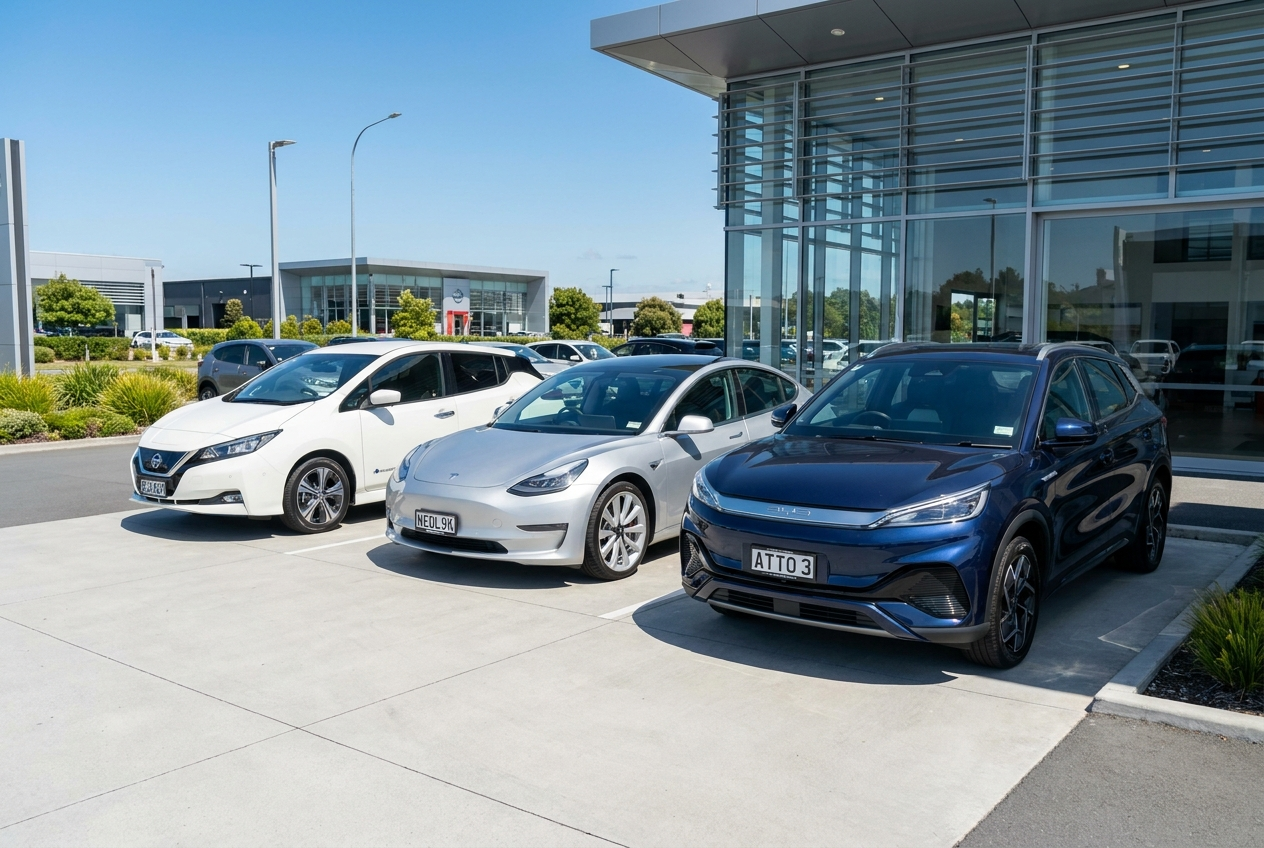 |
For Nissan Leaf buyers: Understanding that the Leaf uses pouch cells without active liquid cooling on earlier models (24kWh, 30kWh) explains why SOH can vary more on these vehicles than on newer competitors. It's the primary reason LeafSpy battery checks are so important for used Leaf purchases. The 40kWh and 62kWh variants improved thermal management, but buyers should still check SOH carefully.
For Tesla buyers: The cylindrical cell format and excellent thermal management system are key reasons why Tesla packs tend to show lower degradation rates than early Leafs at equivalent ages. SOH checks still matter, but the format gives Tesla an inherent thermal advantage.
For BYD buyers: The blade battery's exceptional safety record and structural characteristics are genuine differentiators. BYD's LFP blade chemistry also means you can charge to 100% daily without accelerating degradation, a practical benefit for NZ owners charging at home.
Understanding the physical structure of your EV's battery gives you a richer picture of how it was engineered and why it behaves the way it does. For most buyers, SOH and service history remain the primary decision factors, but knowing your pouch from your blade makes you a more informed EV owner in any conversation.
For more on battery health, what to check when buying a used EV, and how to read a LeafSpy report, explore our other guides, or get in touch with our team if you'd like a professional battery assessment before purchase.
Disclaimer
The content in this post is based on our own research, experience, and opinion and is intended for general informational purposes only. It does not constitute professional financial, technical, or legal advice. While we strive for accuracy, figures, regulations, and specifications referenced, including pricing, RUC rates, battery data, and technology timelines are subject to change and may vary by circumstance. We encourage readers to conduct their own research and consult qualified professionals before making any significant purchasing or financial decisions. External links and references are provided for convenience and do not constitute endorsement.
Last updated: June 2026