Do EV batteries wear out fast? Are they useless in winter? Can the grid cope? Here's a myth-by-myth breakdown of what people still get wrong about electric cars in 2026, with the actual data
Electric vehicles have been mainstream for years now, yet the same handful of myths keep circulating, often based on genuine limitations of decade-old technology, or on viral posts that ignore how far things have moved. As one industry analysis put it, perception lags reality: the gap between what EVs can actually do and what people think they can do remains one of the biggest barriers to switching.
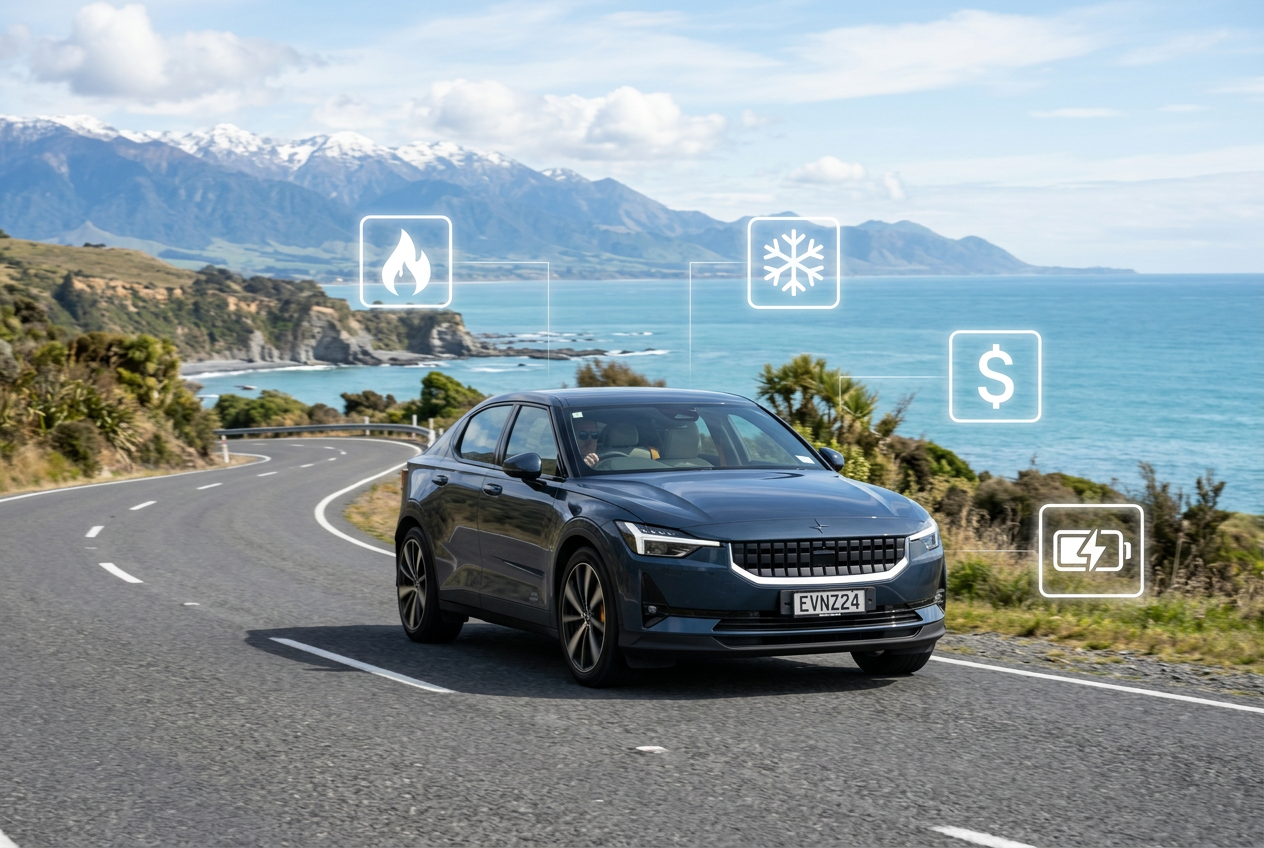
Here's an honest, myth-by-myth breakdown of what people still get wrong in 2026, and what the data actually shows. We'll give each myth a fair hearing rather than simply dismissing it, because most of these misconceptions started from something that was once true.
Myth 1: "EV batteries wear out in a few years and cost a fortune to replace"
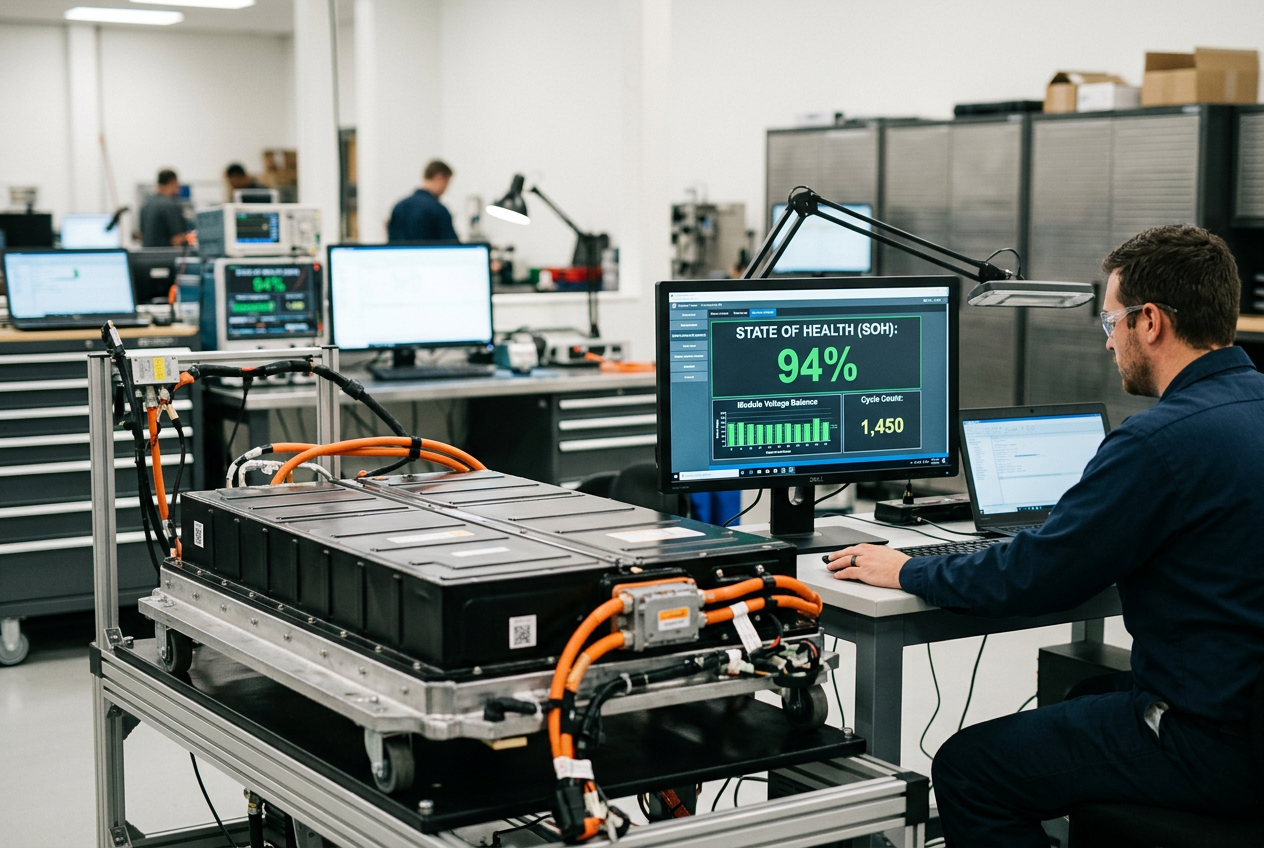
Where it comes from: This concern made real sense a decade ago, when first-generation battery chemistry was genuinely less durable. Early Nissan Leafs, in particular, showed noticeable degradation.
What the data says in 2026: It no longer holds up. Real-world fleet data now shows EV batteries degrading at an average of around 2.3% per year, meaning a typical battery retains over 80% of its capacity after eight years, often outlasting the rest of the vehicle.
Three technologies changed the picture: more stable chemistries (LFP cells are inherently more durable), thermal management systems that keep packs at optimal temperature year-round, and smart charging algorithms that protect cell health. Most modern EVs also carry battery warranties of 8 years or 160,000km, guaranteeing a minimum capacity level. Battery replacement, the expensive scenario people fear, is genuinely rare within a vehicle's normal service life.
Myth 2: "EVs are useless in winter / lose half their range in the cold"
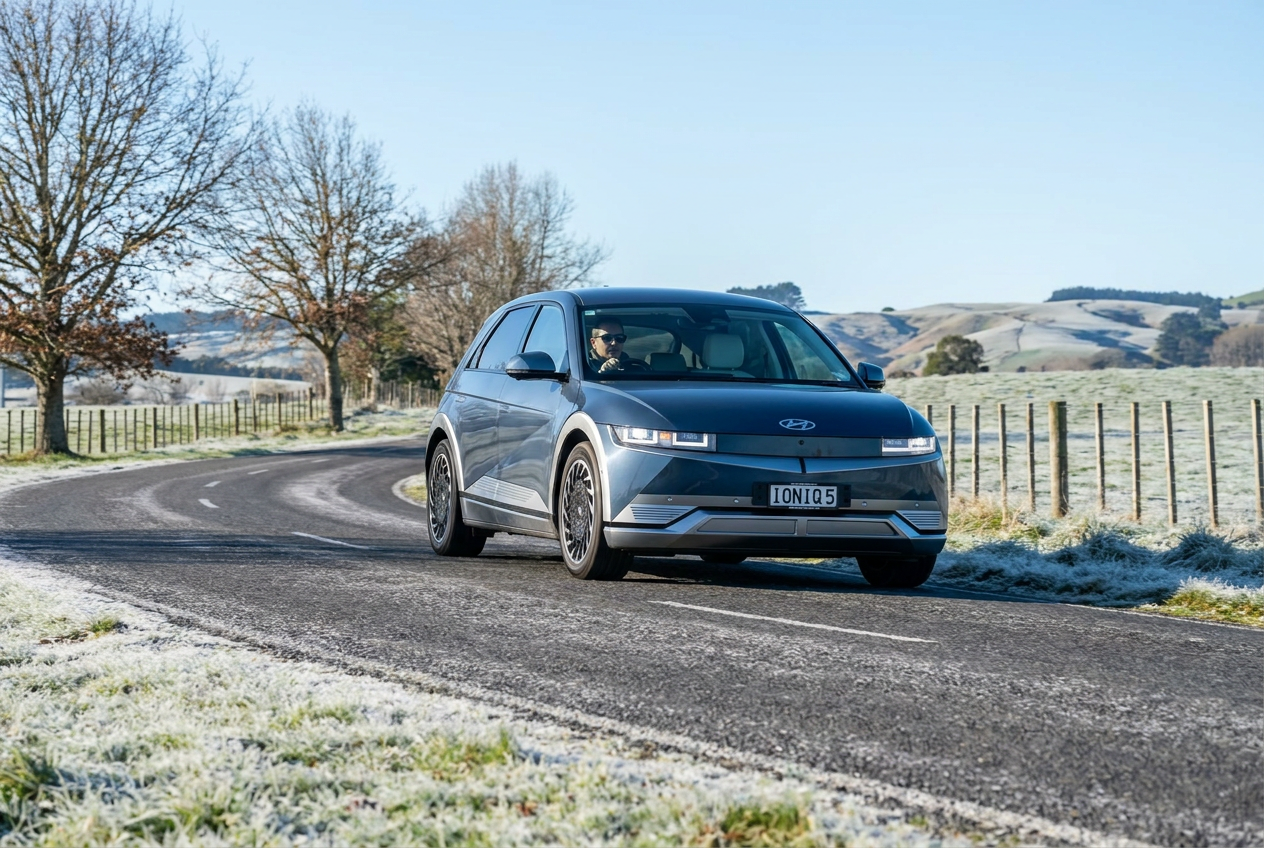
Where it comes from: Cold weather genuinely does reduce EV range, that part is true. Early EVs with poor thermal management could lose a lot of range in the cold, and the myth grew from there.
What the data says in 2026: Temperature affects range, but "loses half" is an exaggeration for modern vehicles. Expect a real-world reduction of around 15-25% in genuinely cold conditions, noticeable, but manageable, and far from useless.
Modern thermal management has significantly reduced the impact, and simple habits close much of the gap: preconditioning the cabin while still plugged in (so heating comes from the grid, not the battery), using efficient heat pump heating where fitted, and relying on seat and steering wheel heaters rather than blasting cabin heat. For most New Zealand drivers, even in the South Island, winter range is a manageable adjustment, not a dealbreaker. And notably, an EV is actually one of the safest vehicles to be stranded in during cold weather, since it can keep you warm for many hours with zero risk of carbon monoxide poisioning.
Myth 3: "The power grid can't cope with everyone charging EVs"

Where it comes from: It's an intuitive worry, millions of extra vehicles all drawing power seems like it should overwhelm the system.
What the data says in 2026: Most EV charging happens overnight, during off-peak hours when grid demand is low and there's substantial spare capacity. Smart charging shifts most usage to these quiet periods automatically. Rather than a sudden spike, EV adoption is a gradual, predictable increase that grid operators plan for years in advance.
In New Zealand specifically, the grid is around 85% renewable and has significant overnight capacity. Emerging vehicle-to-grid (V2G) technology even allows EVs to send stored energy back to the grid during peak demand, turning a fleet of parked EVs into a distributed energy resource rather than just a load. The grid challenge is real in the sense that infrastructure needs ongoing investment, but "it can't cope" is not what the evidence shows.
Myth 4: "EVs catch fire all the time"
Where it comes from: EV fires make dramatic, widely-shared news precisely because they're unusual, and because a lithium battery fire looks and behaves differently to a petrol fire. The visibility creates a false impression of frequency.
What the data says in 2026: Statistically, EVs catch fire less often than petrol vehicles on a per-vehicle basis. Petrol cars, carrying tanks of highly flammable liquid and hot exhaust systems, actually have a higher fire rate. EV battery packs are built with protective enclosures, thermal management, and battery management systems specifically designed to prevent the thermal runaway that causes battery fires.
This isn't to say EV fires never happen, they do, and they can be harder for fire services to extinguish. But the perception that EVs are unusually fire-prone is the opposite of what the data shows. (We cover this in detail in our dedicated post on EV safety.)
Myth 5: "EVs are too expensive"

Where it comes from: Historically, EVs carried higher sticker prices than equivalent petrol cars, and that upfront gap was a genuine barrier.
What the data says in 2026: The sticker price gap has narrowed dramatically, and on the used market, where most Kiwis buy, EVs are now genuinely affordable, with capable models available well under $30,000. More importantly, purchase price is only part of the story. EVs cost dramatically less to run: home charging works out to roughly a third of the fuel cost of petrol, and servicing is far cheaper with no oil changes, timing belts, or exhaust systems.
Total cost of ownership, the figure that actually matters, increasingly favours EVs, particularly for anyone who can charge at home and drives enough kilometres to bank the fuel savings.
Myth 6: "You can't tow with an EV"
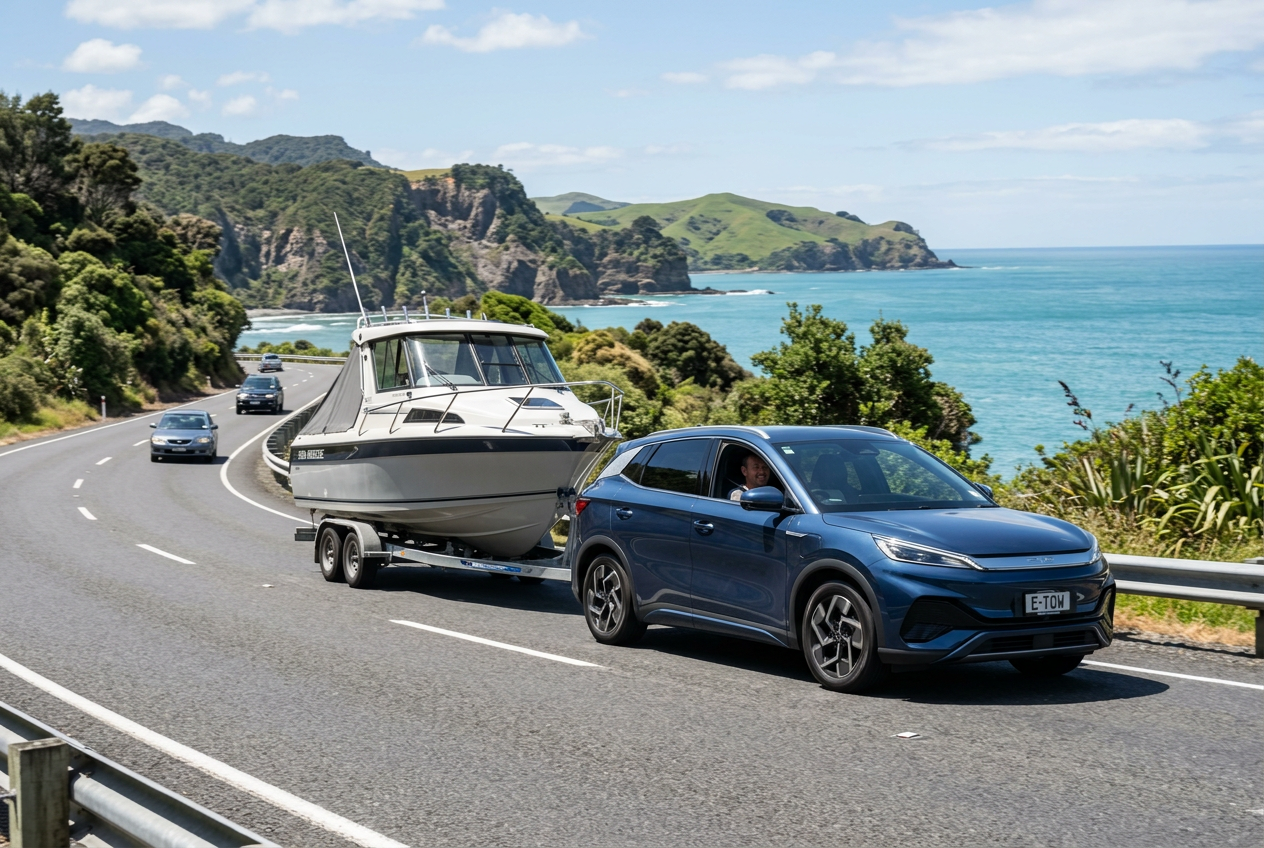
Where it comes from: Early EVs weren't rated for towing, and there's a persistent belief that towing destroys EV range so badly it's impractical.
What the data says in 2026: Plenty of modern EVs tow well, and the instant torque of an electric motor makes getting a heavy load moving genuinely effortless. Towing does reduce range, as it reduces fuel economy in any vehicle, but many EVs are now rated for 1,500-2,500kg braked, comfortably handling boats, trailers, and caravans. The low centre of gravity from the floor-mounted battery also makes for a stable, planted towing experience. For anyone who tows occasionally rather than daily over huge distances, a capable EV is a genuine option.
Myth 7: "Charging takes forever"

Where it comes from: Comparing charging to the two-minute petrol fill-up, and remembering early EVs that charged slowly on limited infrastructure.
What the data says in 2026: This myth misunderstands how EV charging actually works in practice. Most charging happens at home overnight while you sleep, you plug in, and every morning you start with a "full tank" without ever visiting a station. You're not standing around waiting; you're asleep.
For road trips, modern DC fast chargers add 100-200km of range in 15-30 minutes, roughly the length of a coffee and comfort stop. You don't wait for a "full" charge on the road; you top up to 80% and continue. Framed correctly, most EV owners spend far less time thinking about refuelling than petrol drivers do, because the overnight home charge eliminates the station visit entirely for most of their driving.
Myth 8: "EVs aren't really greener once you count the battery"
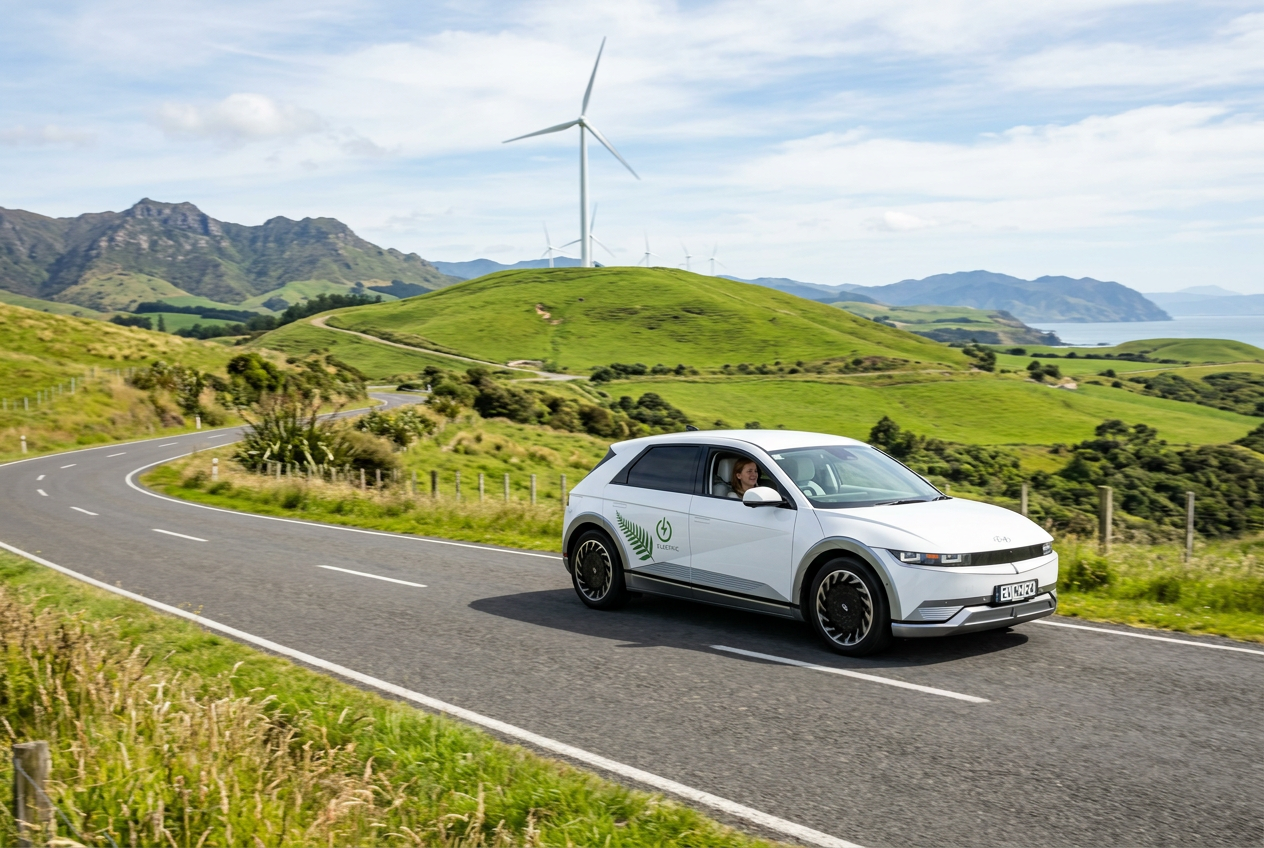
Where it comes from: It's true that manufacturing an EV, particularly the battery, produces more emissions than manufacturing a petrol car. Critics correctly identify this "carbon debt."
What the data says in 2026: The manufacturing emissions are real, but they're a one-time debt that's repaid within the first year or two of driving on a clean grid, after which the EV pulls dramatically ahead, because a petrol car keeps emitting with every kilometre while an EV (especially in NZ) does not. Over its full life, an EV driven in New Zealand produces far lower emissions than an equivalent petrol car. We cover this in depth, including the honest complexities, in our dedicated post on whether EVs are really better for the environment.
The pattern behind the myths
Look closely and most of these myths share a common origin: they were true, or partly true, for the EVs of ten years ago. Early batteries did degrade faster. Early EVs did struggle more in the cold. Infrastructure was thinner. Prices were higher.
The technology has moved on considerably, but perceptions formed a decade ago have proven remarkably durable, kept alive by anecdote, outdated data, and the occasional viral post. The most reliable antidote is simply real-world experience: the majority of EV owners, once they've lived with the technology for a few months, find that the myths that worried them beforehand quietly evaporate.
If you're weighing up an EV and one of these concerns is holding you back, the best thing you can do is look at the current data, and ideally, talk to someone who actually drives one day to day.
Disclaimer
The content in this post is based on our own research and publicly available data current as of 2026 and is intended for general informational purposes only. It does not constitute professional financial, technical, or safety advice. Figures vary between vehicle makes, models, and individual circumstances. We encourage readers to conduct their own research before making any purchasing decisions.
Target keywords: EV myths debunked 2026, electric car myths NZ, do EV batteries wear out quickly, are electric cars bad in winter