Everything you need to know about the WOF in New Zealand, including how often you need one, what gets checked, common failure reasons, costs, and the big rule changes coming in November 2026.
The Warrant of Fitness, or WOF, is one of those essentials of New Zealand vehicle ownership that everyone deals with but few people fully understand. What actually gets checked? How often do you really need one? What happens if you fail? And with major changes to the WOF system arriving in late 2026, the rules you grew up with may not be the rules that apply to your car anymore.
This is a complete, plain-English guide to the WOF in New Zealand, covering how the system works, what inspectors look for, why cars fail, what it costs, and the significant changes coming into effect. Whether you are a first-time car owner or just want to get your head around the new rules, this covers what you need to know.
What is a WOF, and what is it for?
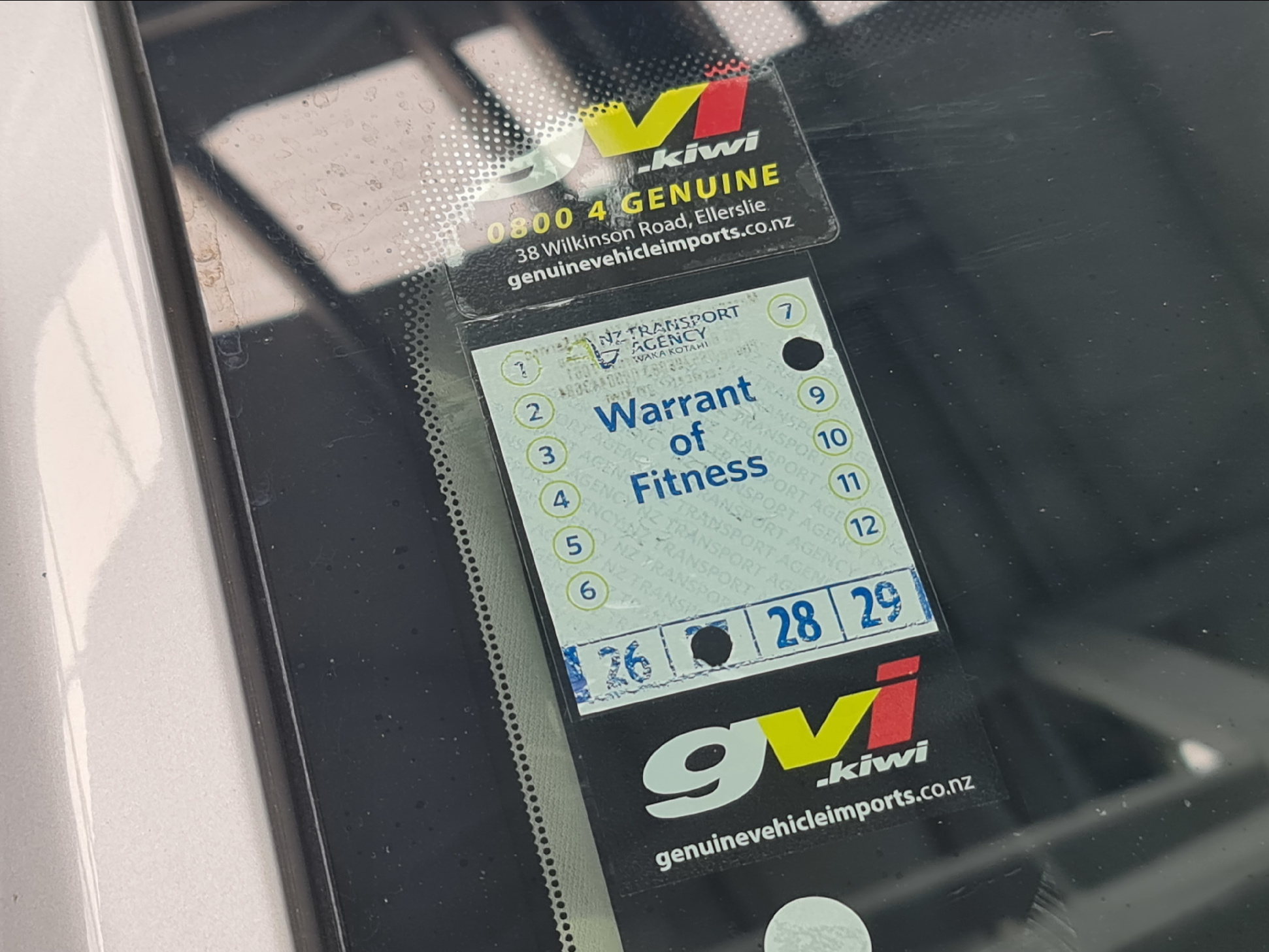
A Warrant of Fitness is an official document certifying that your vehicle has passed a regular safety and roadworthiness inspection. The system is administered by NZTA (Waka Kotahi), and it applies to most light vehicles under 3,500kg that are used on public roads.
The key thing to understand is that a WOF is a safety check, not a mechanical health check. It confirms that the safety-critical parts of your vehicle, the things that keep you and other road users safe, meet the required standard on the day of inspection. It does not tell you whether your engine is in good health, whether your clutch is worn, or whether the car is a good buy. That is an important distinction we will come back to.
When your vehicle passes, the inspector applies a WOF label to the inside of your front windscreen on the driver's side, showing when your next inspection is due.
Important: big changes to the WOF system from November 2026
Before we get into how often you need a WOF, you need to know that the New Zealand WOF system is undergoing its biggest overhaul in decades, with changes rolling out from 1 November 2026 and further changes on 1 November 2027.
The government's reasoning is that modern vehicles are significantly safer and more reliable than when the rules were written, and that New Zealand's inspection frequency has been out of step with comparable countries like Australia, Ireland, and Japan. The changes are designed to focus inspections on higher-risk, older vehicles while giving owners of newer cars longer between checks.
Because the current date sits right around these changes coming into effect, it is worth understanding both the outgoing rules and the new ones. We will cover both below, but always confirm the current requirement for your specific vehicle directly with NZTA, as the transition is being phased in over 2026 and 2027.
How often do you need a WOF?
The rules until 1 November 2026 (the outgoing system):
- New vehicles: the first WOF is issued at first registration and lasts until the vehicle's third anniversary.
- Vehicles first registered on or after 1 January 2000: annual WOF inspections for the life of the vehicle.
- Vehicles first registered before 1 January 2000: WOF inspections every six months.
The rules from 1 November 2026 (the new system):
- New vehicles: the first WOF will now be required at 4 years old, up from 3 years.
- Vehicles aged 4 to 14 years: inspections move from annual to every 2 years. This is being phased in based on first registration date, so not every vehicle in this bracket becomes eligible immediately. From 1 November 2026, vehicles first registered on or after 1 November 2019 become eligible, with more vehicles following from 1 November 2027.
- Vehicles over 14 years old: annual inspections.
- The six-monthly WOF for older light vehicles is being scrapped, with those vehicles moving to annual inspections.
The practical upshot is that most newer vehicles will need WOF inspections less often, saving time and money, while older vehicles, which statistically carry more risk, remain on a yearly cycle. Because the change is phased, the single most reliable way to know your vehicle's requirement is to check the label on your windscreen and confirm with NZTA or your inspection agent.
What actually gets checked in a WOF?
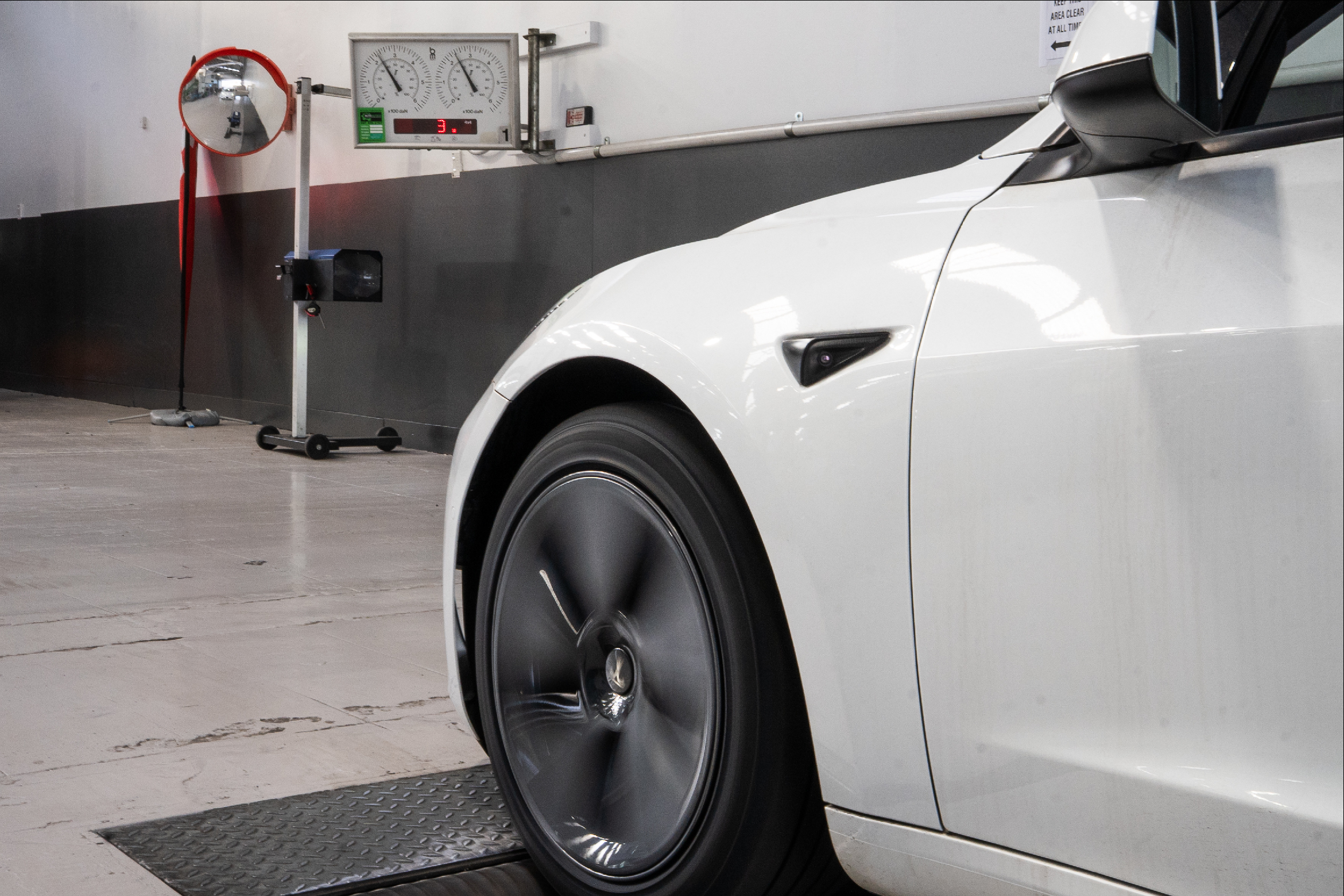
A WOF inspection covers more than 60 safety-related items, all set out in NZTA's Vehicle Inspection Requirements Manual, known as the VIRM. Inspectors are bound by this manual, which sets precise tolerances for every component, so a pass or fail is not a matter of opinion. The main areas checked include:
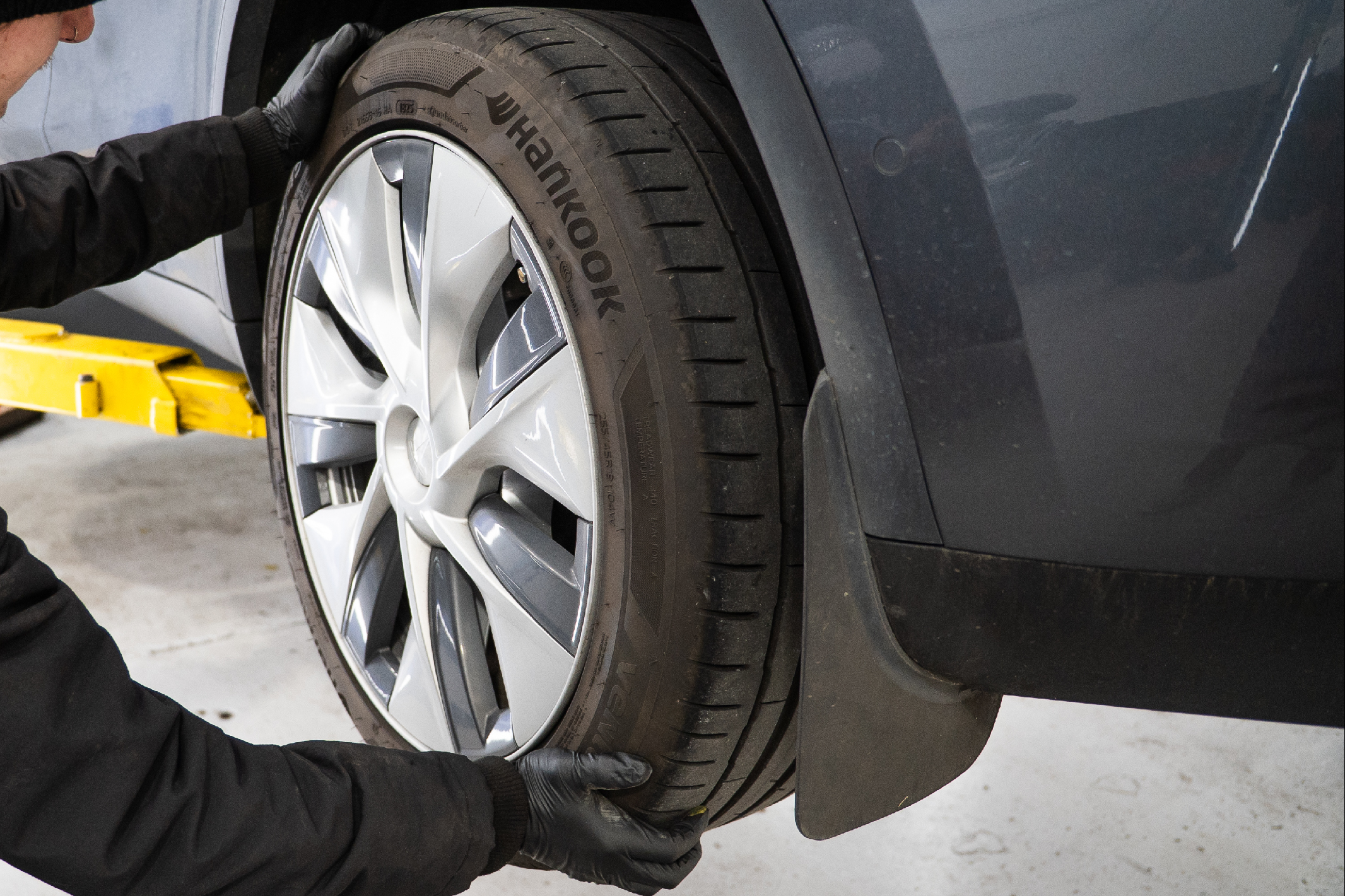
- Tyres and wheels: tread depth (minimum 1.5mm across the major grooves), condition, and secure fitment. Inspectors check for uneven wear, cuts, cracks, and bulges.
- Brakes: brake performance, brake balance between wheels, condition of pads and discs, no fluid leaks, and a handbrake that holds properly.
- Lights: headlights (high and low beam), brake lights, indicators, tail lights, reversing lights, and number plate lights. All must work and be correctly aligned.
- Steering and suspension: no excessive play, worn components, or looseness that affects handling.
- Windscreen and wipers: no cracks or chips in the driver's line of sight, and wipers and washers that clear the screen effectively.
- Seatbelts: securely mounted, in good condition, and operating correctly. Frayed or faulty belts are an automatic fail.
- Doors: must open, close, and latch properly.
- Exhaust: no leaks, and not smokier or louder than the original system.
- Structure and body: no significant rust or corrosion in structural areas such as under the doors, around seatbelt or seat mounts, and the underbody.
- Airbag warning light: if the airbag warning light is on, indicating a fault, the vehicle fails.
- Speedometer and other basic safety items.
What does NOT get checked in a WOF?
This is genuinely important, and it catches a lot of people out, especially when buying a used car. A WOF is a safety inspection, not a comprehensive mechanical check. It does not assess:
- Engine condition or performance
- Clutch, gearbox, or transmission condition
- The differential or general drivetrain health
- Overall reliability or how many kilometres of life a component has left
In other words, a car can have a current WOF and still have a tired engine, a slipping clutch, or an expensive problem brewing. This is exactly why a WOF is not a substitute for a pre-purchase inspection when you are buying a used vehicle. NZTA is explicit about this: a WOF is not a pre-purchase inspection. If you are buying a car, a WOF tells you it was safe on the day it was inspected, not that it is mechanically sound or a good buy.
The most common reasons cars fail a WOF
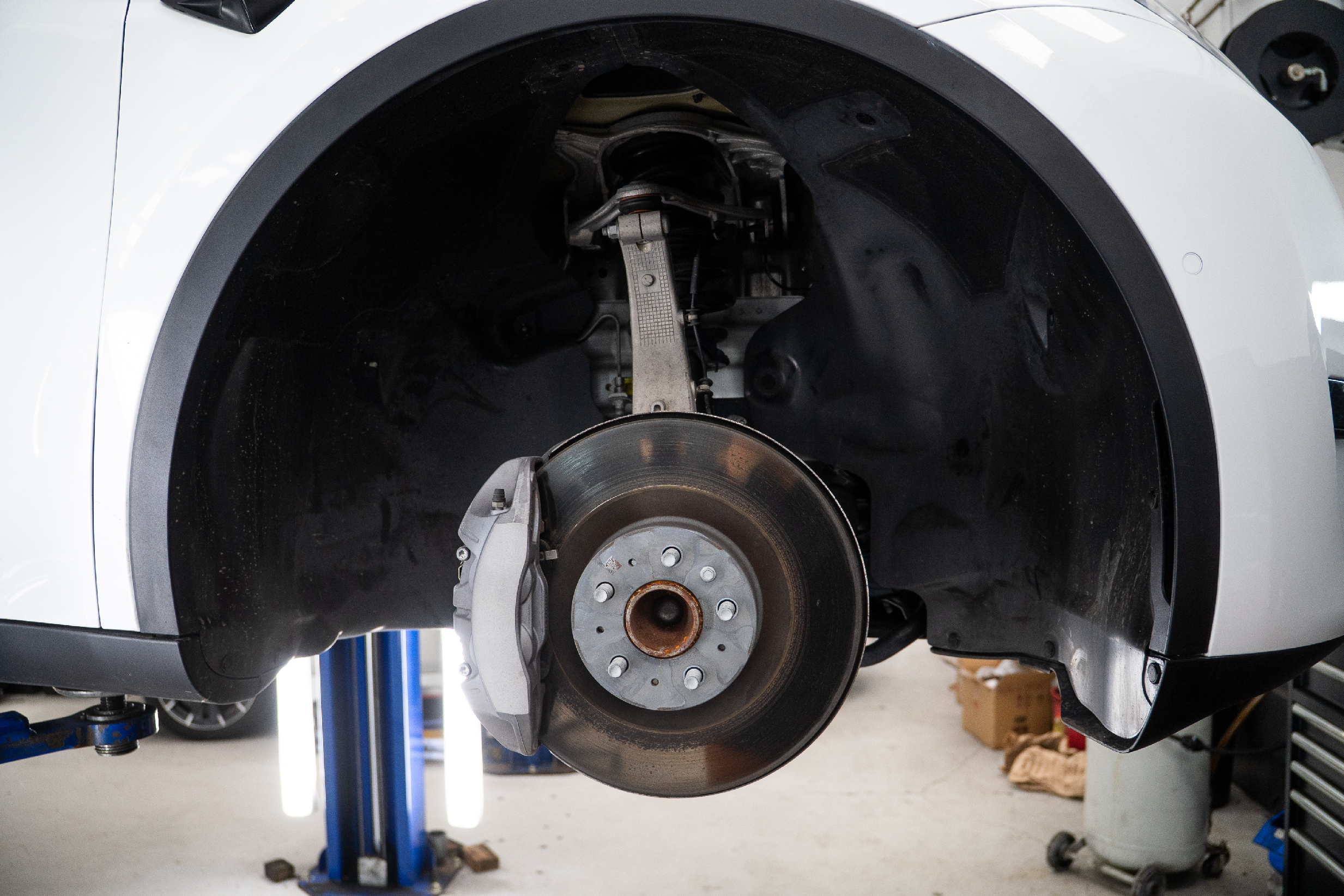
The good news about WOF failures is that they cluster around the same handful of issues year after year, and most are simple wear-and-tear problems that build up slowly. Knowing them lets you stay ahead. From most common down, the usual culprits are:
1. Lights (the single biggest cause). Lighting and signalling faults are the most common reason for WOF failures in New Zealand, accounting for a large share of all fails. A single blown bulb, whether a headlight, brake light, indicator, or number plate light, is an instant fail. Most drivers never check their rear lights, which is exactly why this catches so many people. It is also the cheapest to fix.
2. Tyres. The second most common failure. Tread below the 1.5mm legal minimum across the major grooves is an automatic fail, as are uneven wear, cracks, and sidewall bulges. Worth knowing: grip drops off well before 1.5mm, so replacing tyres a little early is a genuine safety win, not just a WOF formality.
3. Brakes. Worn pads, warped discs, low or leaking fluid, uneven braking between wheels, or a handbrake that does not hold sufficiently. Because braking is safety-critical, inspectors apply a strict standard here.
4. Steering and suspension. Worn suspension components, play in the steering, knocking noises, or a car that pulls to one side or feels floaty. These are more common on older vehicles.
5. Windscreen and wipers. Chips or cracks in the driver's line of sight, and wiper blades that streak or fail to clear the screen properly. Both are common, especially heading into the wetter months.
6. Other frequent fails. Frayed or faulty seatbelts, exhaust leaks or excessive noise, structural rust, and an illuminated airbag warning light.
A quick pre-WOF checklist
You can catch most of the common failures yourself before you book in, which saves the hassle and cost of a re-inspection. Before your WOF:
- Walk around the car while someone presses the brake pedal and operates the indicators, checking every light front and rear, including reversing and number plate lights.
- Check your tyre tread. The 20-cent coin trick works well: insert a 20-cent coin into the tread groove, and if you can see the bottom of the "20", your tread is getting too low.
- Look over your windscreen for chips or cracks in your line of sight.
- Test your wipers and top up the washer fluid.
- Listen for any unusual brake noises, and notice if the car pulls to one side or the handbrake feels weak.
- Make sure your seatbelts are not frayed and retract properly.
None of this replaces the inspection, but fixing an obvious dead bulb or topping up washer fluid beforehand can be the difference between a pass and a wasted trip.
What does a WOF cost?
There is no set price for a WOF in New Zealand. Inspection fees are set by each provider, so it pays to shop around. As a general guide, a basic WOF for a light vehicle usually costs somewhere between $50 and $90.
Importantly, that fee covers the inspection only. If your vehicle fails and needs repairs to pass, those repairs are not included and are charged separately. There are around 3,200 WOF agents across New Zealand, from independent testing stations to local garages, so you are never far from one.
What happens if your vehicle fails?
Failing a WOF is not the end of the world, and the system is designed to be fair about it. Here is what happens:
You get a checksheet. The inspector provides a fail sheet detailing exactly why the WOF was withheld, organised by vehicle system, such as lights, brakes, or steering. This tells you precisely what needs fixing. Some notes use technical language, so do not hesitate to ask the inspector to explain anything that is unclear.
You get a free retest, if you are quick. If you have the repairs done and return within 28 days to the same inspecting organisation, the retest is free. This is a strong incentive to get things sorted promptly and go back to the same place.
You can drive it, but only to get it fixed. If your vehicle fails, you generally cannot drive it on the road, with one key exception: you may drive it to get repairs done or to get a new WOF, provided the vehicle is safe to drive. If the fault makes the car genuinely unsafe, do not drive it, arrange transport for it instead.
A note on timing your renewal. If you renew your WOF within 14 days before the old one expires, the new WOF runs from the old expiry date, so you do not lose any days by getting in a little early.
The penalties for driving without a current WOF
Driving without a valid WOF carries real consequences, and the penalties are increasing as part of the 2026 changes. From 1 November 2026, the infringement fee for operating a vehicle with a WOF that has been expired for more than two months rises from $200 to $350. Penalties for non-compliant tyres and wheels are also increasing significantly, up to $350 as an infringement fee and as much as $1,000 if the matter goes to court.
Beyond the fines, driving without a current WOF can affect your insurance cover in the event of a crash, which is a far bigger financial risk than the fine itself. It simply is not worth letting your WOF lapse.
How is a WOF different for an electric vehicle?
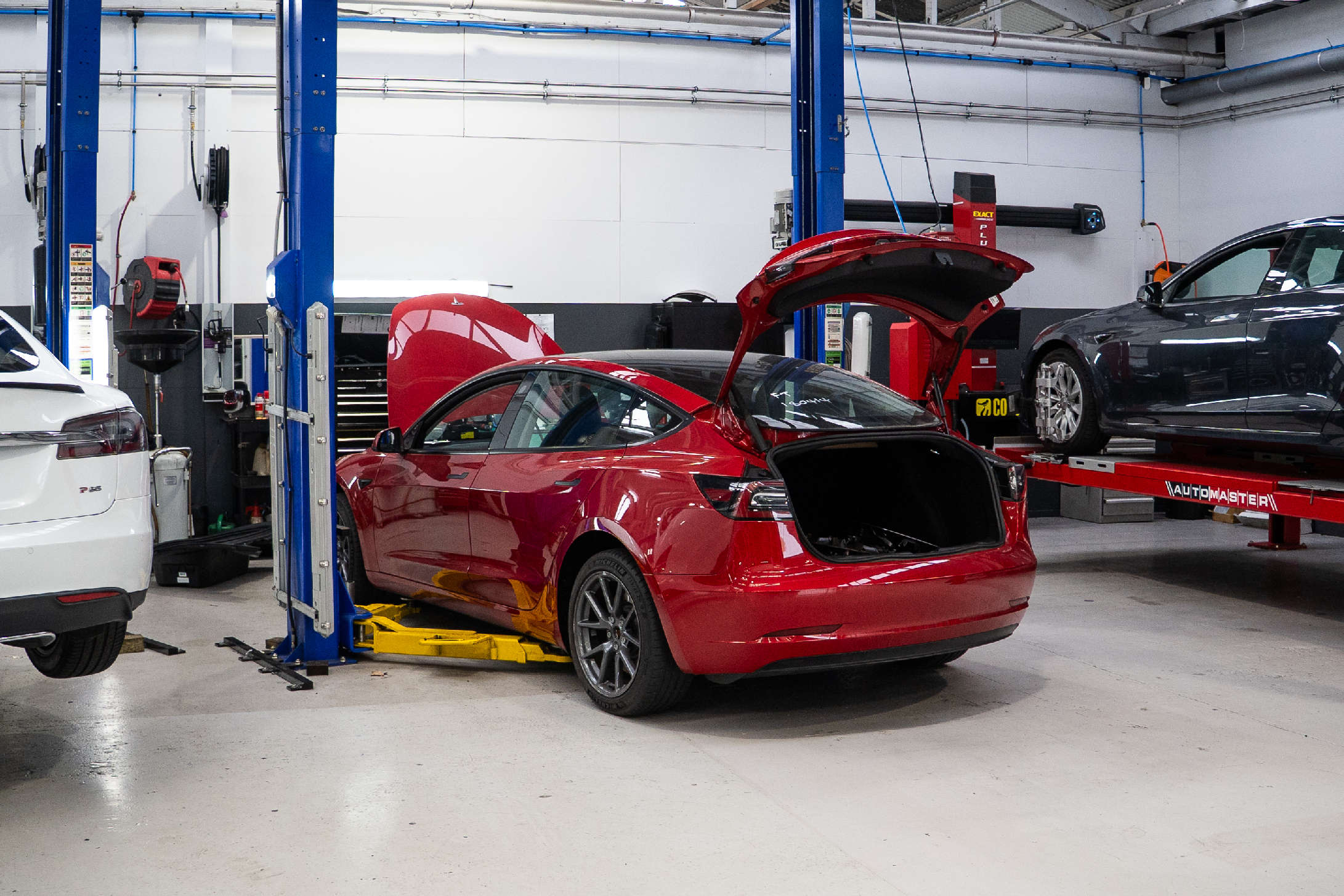
EVs need a WOF just like any other light vehicle, on the same inspection frequency based on the vehicle's age. Most of the inspection is identical, because the safety-critical items being checked, tyres, brakes, lights, steering, suspension, seatbelts, and structure, are common to all vehicles regardless of what powers them.
That said, there are a few EV-specific points worth understanding:
No exhaust or emissions checks. EVs have no exhaust system, so the exhaust and smoke checks simply do not apply. One common failure category is removed entirely.
Brakes can be a pleasant surprise, with a catch. Because EVs use regenerative braking for most everyday slowing, their friction brake pads and discs tend to wear far more slowly than on a petrol car, which often means fewer brake-related failures. However, because the friction brakes are used less, the discs can develop surface rust from underuse, particularly in damp or coastal areas, so it is still worth making sure they are in good condition.
Tyres can wear faster. EVs are heavier than equivalent petrol cars due to the battery, and deliver instant torque, both of which can lead to quicker tyre wear. Since tyres are the second most common WOF failure, keeping an eye on tread is just as important, if not more so, on an EV.
New ADAS checks apply to modern vehicles, including EVs. As part of the 2026 changes, WOF inspections now check that no warning or malfunction indicators are showing for Automatic Emergency Braking (AEB) and Lane Keep Assist systems, where those systems are fitted. Since many modern EVs come well equipped with these driver assistance features, this is worth being aware of, though it applies to any vehicle fitted with the technology, not just EVs.
The high-voltage system is not a WOF item. The WOF does not assess the health of the traction battery or the EV's high-voltage components. Just as a WOF does not check a petrol engine's condition, it does not check an EV's battery health. For that, a dedicated battery health check is the right tool, and it is something we consider essential when assessing any used EV.
The bottom line
The Warrant of Fitness is a straightforward safety net that keeps New Zealand's vehicles roadworthy, and understanding it makes ownership far less stressful. Remember the essentials: it is a safety check rather than a mechanical one, the most common failures are simple things like lights and tyres that you can check yourself, a fail comes with a free retest if you are prompt, and the rules are changing from November 2026 to give newer vehicles longer between inspections.
And the most important takeaway if you are buying a used car: a current WOF is reassuring, but it is not a guarantee of mechanical health or a good buy. It confirms the vehicle was safe on the day it was checked, nothing more. That is exactly why, when we sell a vehicle, we go well beyond the WOF, and why an independent pre-purchase inspection is always worthwhile on any used vehicle.
If you have questions about the WOF status of any vehicle in our range, or want to understand what checks we carry out as an AA Preferred Dealer, our team is always happy to help. Browse our stock at gvi.kiwi or call us on 0800 443 684.
Disclaimer
The content in this post is based on our own research and information published by NZTA, the AA, and the MTA, and is intended for general informational purposes only. WOF rules, inspection frequencies, fees, and penalties vary by vehicle and are changing significantly through 2026 and 2027. The details here were accurate at the time of writing, but you should always confirm the current requirement for your specific vehicle directly with NZTA at nzta.govt.nz or with a licensed WOF inspection agent. This post does not constitute legal or professional advice.
Target keywords: WOF requirements NZ, warrant of fitness New Zealand, WOF changes 2026, what gets checked in a WOF