Solid-state batteries, sodium-ion cells, and LMFP are all moving from lab to road. Here's what's actually coming, the honest timeline, and what it means for Kiwis buying an EV today.
|
If you've been researching electric vehicles for any length of time, you'll have encountered the phrase "solid-state batteries are coming." It's been said with varying degrees of optimism, for the better part of a decade. And yet here we are in 2026, and the EVs on New Zealand roads still run on conventional liquid-electrolyte lithium-ion batteries.
So what's actually happening? Which of the much-discussed next-generation battery technologies are real and approaching commercial readiness? Which are still distant prospects? And what does any of this mean for someone deciding whether to buy a used EV in New Zealand today?
This guide separates what's genuinely happening from the hype, with honest timelines.
|
 |
Why battery technology is still evolving
Today's lithium-ion batteries are genuinely excellent. Compared to even a decade ago, they're cheaper, more energy-dense, longer-lasting, and faster-charging. The cost of a lithium-ion battery cell fell from $568 per kilowatt-hour in 2013 to approximately $74 per kilowatt-hour by 2025, a 87% reduction in twelve years. That's the curve that made affordable EVs possible.
But lithium-ion chemistry has limits. Energy density will eventually plateau. Liquid electrolytes present flammability risks under extreme abuse. Lithium itself, while not scarce, is concentrated in geopolitically sensitive regions. And charging speed while improving, is still constrained by the electrochemical behaviour of liquid electrolytes under high current.
The next generation of battery technology aims to push beyond these limits. The three technologies attracting the most serious commercial attention right now are solid-state batteries, sodium-ion cells, and LMFP, an evolution of the existing LFP chemistry.
Solid-state batteries: the big promise
|
What they are
In a conventional lithium-ion battery, lithium ions move between electrodes through a liquid electrolyte. In a solid-state battery, that liquid is replaced with a solid material, typically a ceramic, sulphide, or polymer compound. This single change has cascading implications for the battery's performance, safety, and potential energy density.
|
 |
Why the excitement is justified
- Higher energy density: Solid electrolytes enable the use of a lithium metal anode (rather than graphite), which stores significantly more lithium ions per unit of weight. This could eventually enable battery packs 40–50% more energy-dense than current lithium-ion, translating to dramatically longer range without a heavier pack.
- Better safety: Solid electrolytes don't catch fire the way liquid ones can. Thermal runaway, the mechanism behind EV battery fires, becomes significantly harder to trigger, potentially transforming EV safety profiles.
- Faster charging: The electrochemical properties of solid electrolytes can support higher charge rates without the lithium plating issues that currently limit rapid charging in liquid-electrolyte cells.
- Longer cycle life: Solid-state designs show potential for dramatically extended cycle life in laboratory conditions.
|
Where things actually stand in 2026
Toyota, which has been among the most aggressive in its solid-state commitments, now says it is on track to begin launching vehicles with solid-state batteries in 2027 or 2028, though timeline delays have been a feature of this technology for years. BYD plans to begin installing demonstration vehicles with solid-state batteries around 2027, with large-scale adoption expected after 2030. CATL and Samsung are likewise targeting small-scale production around 2027.
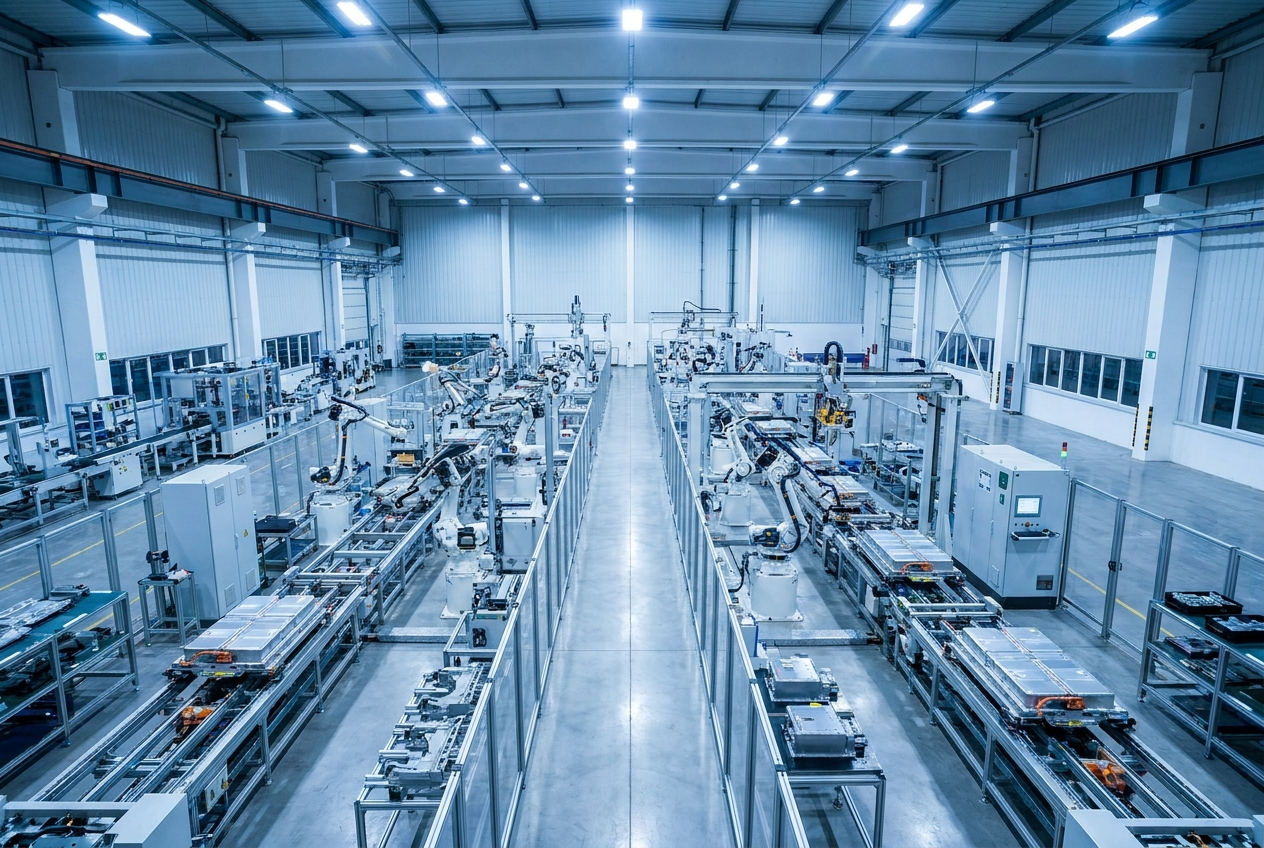
The critical word is small-scale. The first solid-state vehicles will be high-end models in limited numbers, likely used to validate manufacturing processes rather than to serve mass market demand. They will be expensive, because the manufacturing challenges of producing solid electrolytes at scale and with consistent quality are genuinely significant.
China has taken an additional step by introducing the first national standard for solid-state EV batteries in early 2026, a necessary regulatory foundation for commercial deployment.
|
 |
Realistic timeline for NZ:
- 2027–2028: First solid-state vehicles in select markets (likely Japan, China, some European markets). Not yet NZ.
- 2030–2032: First generation of solid-state EVs potentially available in NZ, at premium prices.
- 2035+: Meaningful presence in mainstream new EV market.
- Used market availability in NZ: Mid-to-late 2030s at the earliest.
The honest assessment: Solid-state batteries are real, the progress is genuine, and the commercial deployment timelines are finally credible rather than indefinitely aspirational. But they will not affect the NZ used EV market for the better part of a decade.
Sodium-ion batteries: the affordable challenger
|
What they are
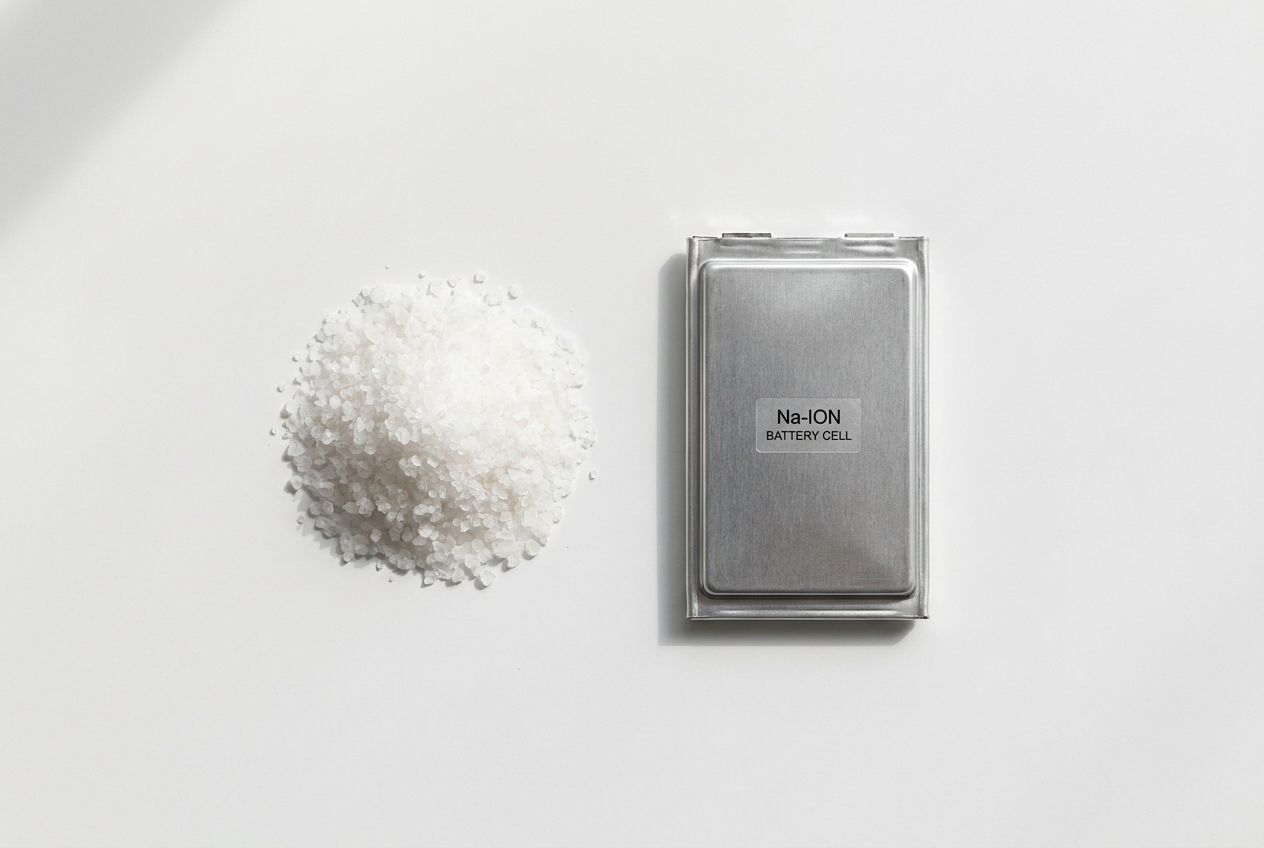
Sodium-ion batteries work on the same basic principle as lithium-ion batteries, ions moving between electrodes to store and release energy, but use sodium instead of lithium. Sodium is extraordinarily abundant (it's the stuff in table salt), widely distributed geographically, and costs a fraction of lithium to source.
|
 |
Why they matter
The appeal of sodium-ion is primarily economic and logistical rather than performance-based. Sodium-ion cells are currently cheaper than even LFP lithium cells, approximately $59 per kWh at cell level, compared to $74–90 for lithium-ion variants. They are less dependent on lithium supply chains and cobalt, which concentrates in the Democratic Republic of Congo. And they perform better than lithium-ion in very cold temperatures.
The trade-off is energy density, sodium-ion cells currently store less energy per kilogram than lithium-ion cells, which limits their appeal for long-range vehicles.
Where things actually stand in 2026
This is where sodium-ion separates itself from solid-state: it is already in commercial production. CATL, the world's largest battery manufacturer, launched its sodium-ion product line, called Naxtra, in 2025 and claims to have already started manufacturing it at scale. One Chinese manufacturer launched an EV in 2026 using a 45kWh sodium-ion pack delivering approximately 248 miles (approximately 400km) of range on local test cycles.
BYD is building a large sodium-ion production facility and is developing its third-generation sodium-ion platform with reportedly up to 10,000 charge cycles, vastly exceeding current lithium-ion cycle life.
Sodium-ion is most immediately suited to lower-cost, shorter-range EVs and to grid-scale energy storage. As costs fall and energy density improves, it is expected to capture a significant share of the LFP market over the next five to ten years.
Realistic timeline for NZ:
- 2026–2027: First sodium-ion vehicles available in China. Limited international distribution.
- 2028–2030: Sodium-ion EVs potentially available in NZ through Chinese brands (BYD, others). Likely in entry-level or city-car segments.
- 2030+: Broader availability as energy density improves and costs fall further.
The honest assessment: Sodium-ion is not vaporware, it's in production now. But NZ is likely 3–5 years away from having meaningful sodium-ion EV options in the new car market, and longer in the used market.
LMFP: the incremental improvement happening right now
|
What it is
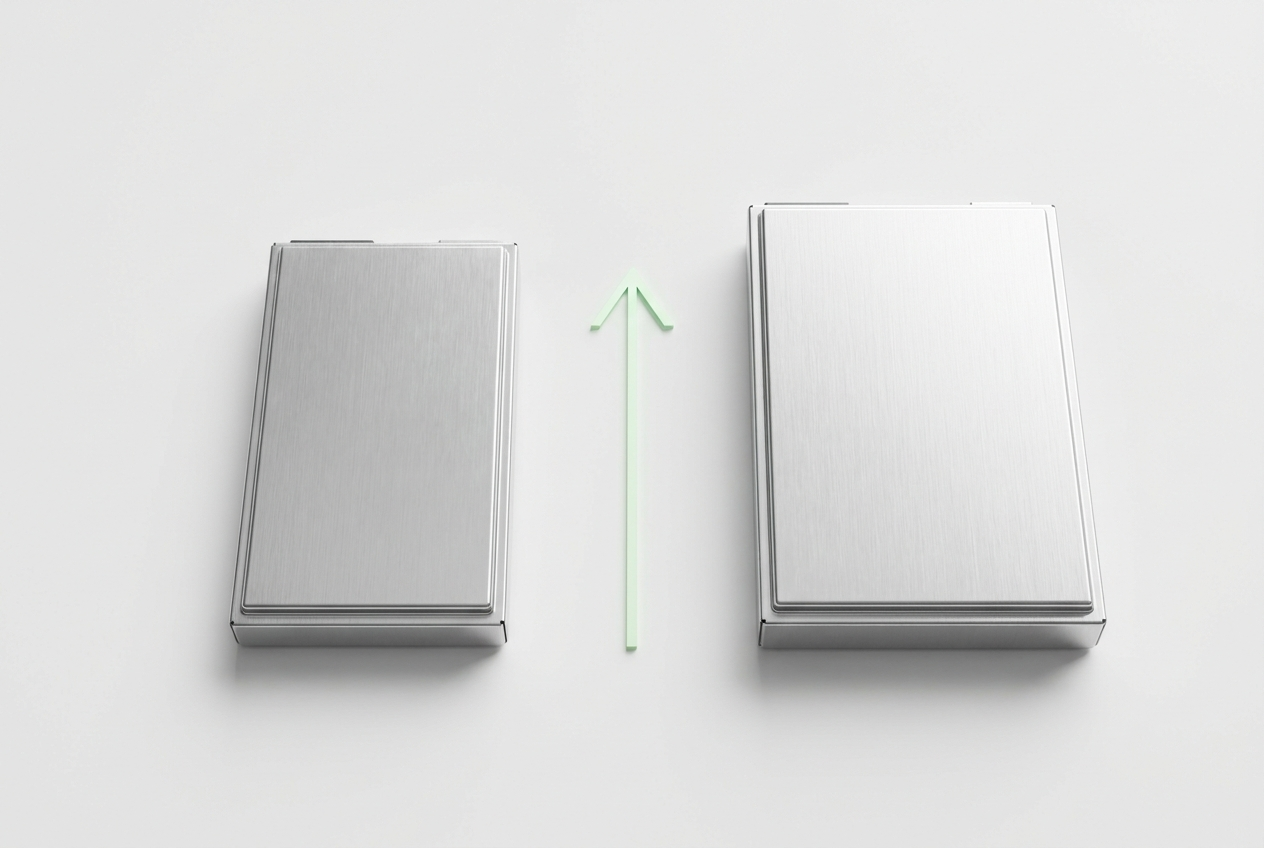
LMFP (lithium manganese iron phosphate) is an evolution of the existing LFP chemistry, one that doesn't require a manufacturing revolution to produce. Adding manganese to the LFP cathode structure increases energy density by roughly 10–20% compared to standard LFP, while retaining most of LFP's core advantages: safety, longevity, and relatively low cost.
|
 |
Why it matters in the near term
Unlike solid-state or sodium-ion, LMFP doesn't require new factories, new manufacturing processes, or new supply chains. Existing LFP production lines can be adapted. CATL and BYD are both commercialising LMFP now, and it is beginning to appear in vehicles entering the market in 2025–2026.
LMFP closes roughly half the energy density gap between LFP and NMC, which means longer range from LFP-priced chemistry. For buyers who want the safety and longevity of LFP but have been put off by its range limitations, LMFP is a meaningful step forward.
Realistic timeline for NZ:
- Now: LMFP vehicles beginning to enter new car markets in China. Some models arriving in NZ new car market in 2026.
- 2027–2029: LMFP vehicles entering the NZ used market as 2025–2026 new cars come off first owner tenure.
The honest assessment: LMFP is the most immediately relevant next-generation development for NZ buyers. It represents a genuine improvement on existing technology with no waiting required.
Silicon-anode: the quiet improvement inside existing cells
Worth a brief mention: many manufacturers are improving lithium-ion energy density not by changing the cathode chemistry but by modifying the anode. Replacing graphite partially or fully with silicon allows anodes to hold significantly more lithium ions, boosting energy density without requiring a solid electrolyte.
Silicon-anode technology is already appearing in production cells from Panasonic (for Tesla) and others, typically as a silicon-graphite blend. Pure silicon anodes remain challenging due to the significant expansion and contraction silicon undergoes during charging (roughly 300%), which causes mechanical stress and degradation. Solving this problem through silicon nanoparticles, silicon oxide, or composite structures, is an active area of development.
Realistic timeline for NZ: Incremental improvements are already in some current-generation cells. Significant silicon-anode benefits visible in new cars available in NZ: 2026–2028 for leading models.
Should you wait to buy an EV?
This question comes up every time next-generation battery technology is discussed, and the answer in 2026 is fairly clear: no.
The gap between today's best LFP and NMC batteries and the first-generation commercial solid-state cells will likely be meaningful on paper, but small in practice for most drivers. The first solid-state vehicles will be expensive, limited in availability, and require a period of real-world validation before the technology is proven at scale.
|
Meanwhile, today's used EV market in New Zealand offers excellent, proven technology at accessible prices, with running costs dramatically lower than petrol. The cumulative savings from not buying a petrol car while waiting for solid-state will likely exceed the performance improvement when it arrives.
The more practically useful question is not "should I wait for solid-state?" but "which chemistry and cell format is best for how I drive today?" and that question has good answers right now.
|
 |
What to watch over the next three years
If you're buying a new EV (rather than used) and keeping it for 7–10 years, the battery technology landscape worth monitoring:
- LMFP availability in NZ-spec vehicles: Some models arriving now; worth asking about when buying new.
- Sodium-ion entry-level options: If BYD or CATL-backed brands bring sodium-ion vehicles to NZ by 2028, they could offer compelling value in the city-car segment.
- 800V charging architecture: Not a new chemistry, but a meaningful system upgrade that enables much faster charging. Increasingly standard on 2024–2026 new EVs; will filter into the used market from 2027.
- Solid-state updates from Toyota and BYD: Worth monitoring, but with measured expectations. 2027 pilot deployments will tell us a great deal about whether the manufacturing challenges have been genuinely solved.
|
The next generation of EV battery technology is coming and for the first time in several years, the timelines attached to it are credible rather than perpetually aspirational. Sodium-ion is in production now. LMFP is entering the market. Solid-state is approaching its first real-world deployment window.
But for most New Zealanders buying a used EV in 2026, none of this changes the calculus significantly. Today's technology is excellent, the used market offers real value, and the savings from switching to electric start on the day you drive away.
Explore our guides on battery chemistry and cell types to understand more about what's in the vehicles on the market today, or get in touch with our team if you'd like help choosing the right EV for your needs.
|
 |
Disclaimer
The content in this post is based on our own research, experience, and opinion and is intended for general informational purposes only. It does not constitute professional financial, technical, or legal advice. While we strive for accuracy, figures, regulations, and specifications referenced, including pricing, RUC rates, battery data, and technology timelines are subject to change and may vary by circumstance. We encourage readers to conduct their own research and consult qualified professionals before making any significant purchasing or financial decisions. External links and references are provided for convenience and do not constitute endorsement.
Last updated: June 2026