Small modular reactors are reshaping the global conversation about clean energy. We explore what SMRs are, where the technology stands in 2026, and whether nuclear could play a role in powering New Zealand's growing EV fleet.
New Zealand has long prided itself on renewable energy. With around 85% of electricity already generated from hydro, wind, and geothermal sources, the country sits well ahead of most of the world on clean power. So why is a conversation about nuclear energy relevant here, and what does it have to do with electric vehicles?
|
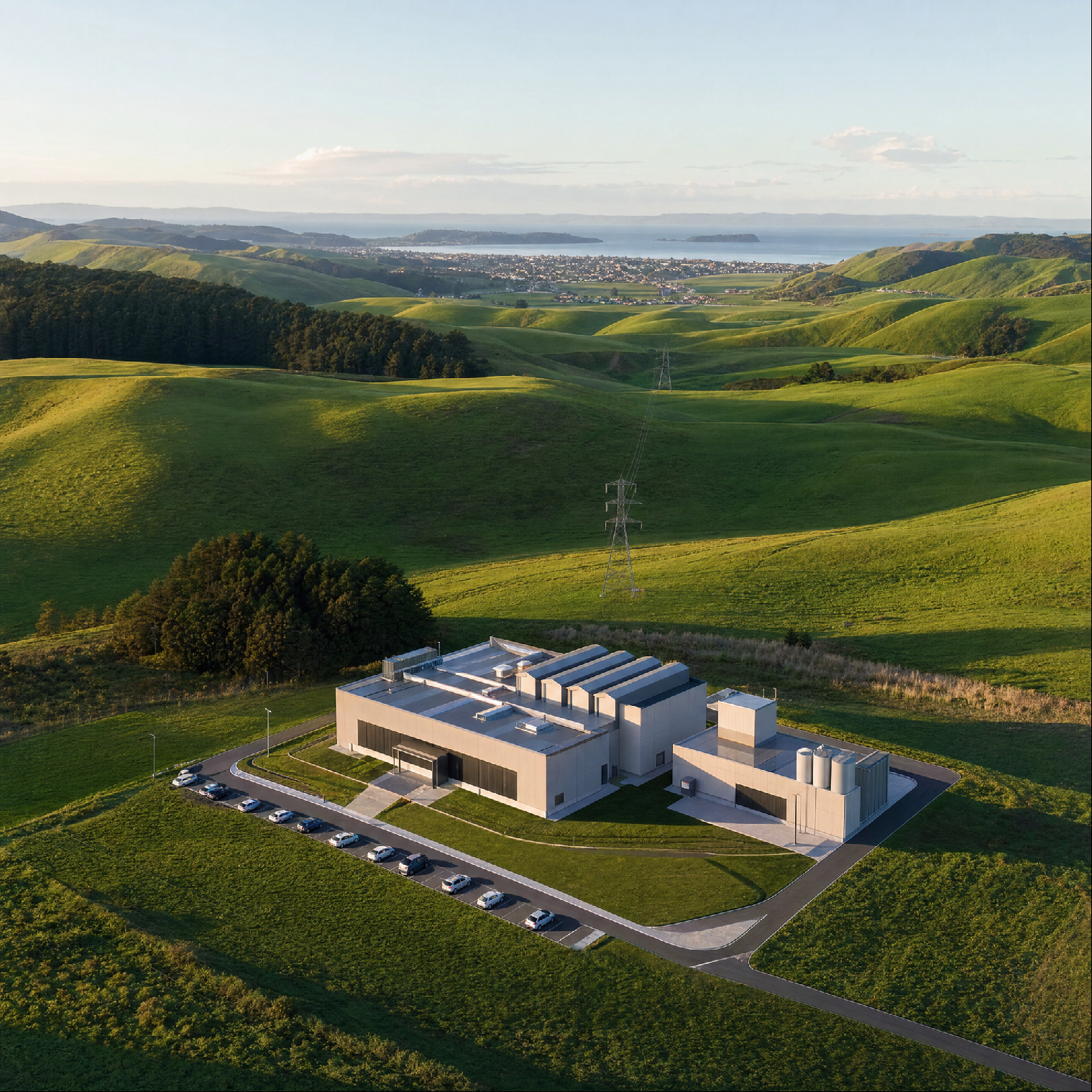 |
The answer lies in what's coming next. As EV uptake accelerates, as electrification expands beyond transport into industry and heating, and as a new generation of nuclear technology moves from prototype to production, the question of how New Zealand powers its grid over the next 30 years is very much open. This post explores the case and the counterarguments for nuclear energy as part of that future.
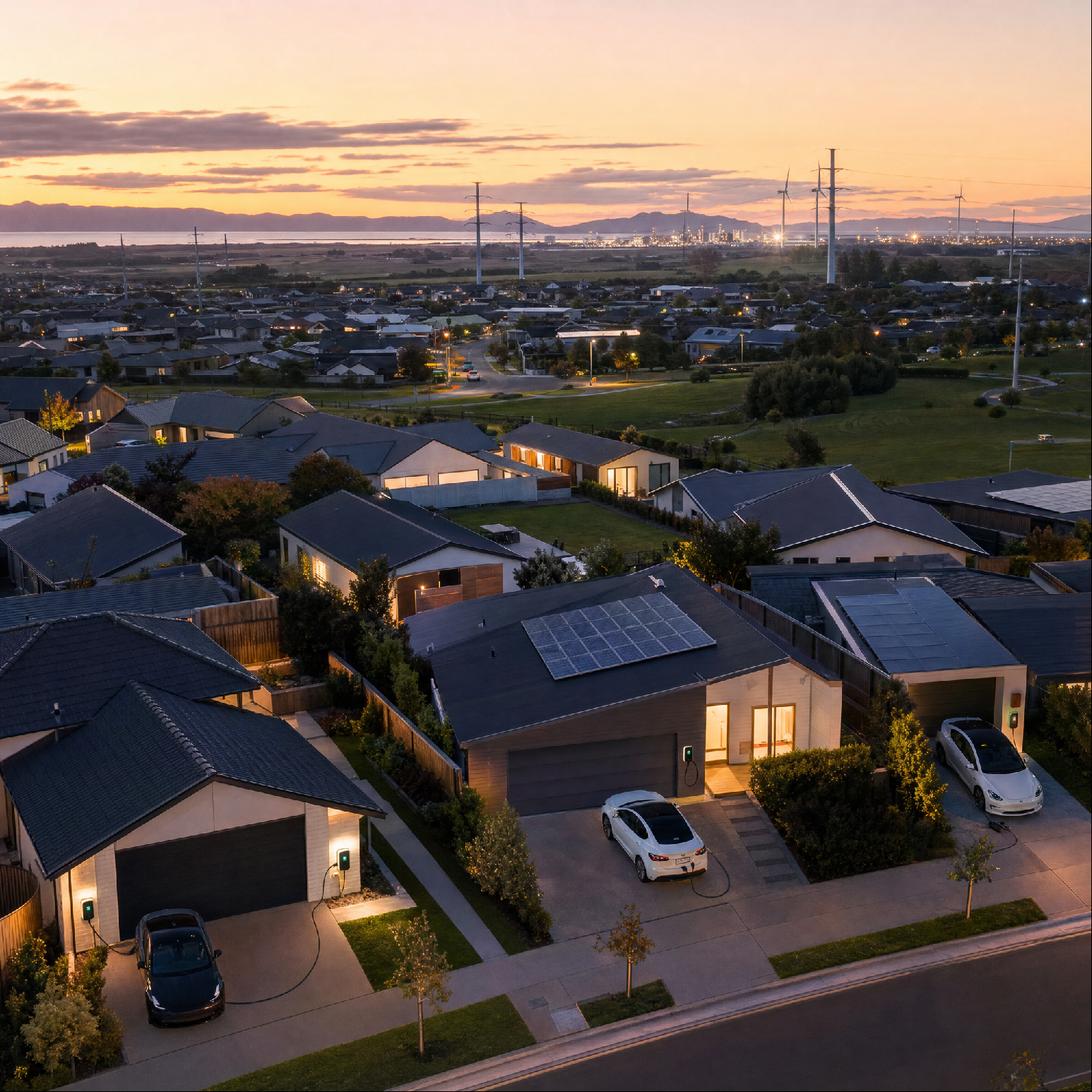
Why the grid matters for EV owners
When you drive a petrol car, the carbon footprint of your fuel is fixed, it comes from refining and burning oil. When you drive an EV, your carbon footprint depends heavily on where the electricity comes from.
In New Zealand, that's currently good news. Charging an EV from the national grid is already among the cleanest ways to power a vehicle anywhere in the world, thanks to the country's high proportion of renewable generation. At current grid mix, an EV charged at home produces a fraction of the emissions of a petrol equivalent, even accounting for battery manufacturing.
But "mostly renewable" isn't "entirely renewable." New Zealand still relies on gas peaker plants to cover periods of high demand or low hydro storage, particularly in dry years when lake levels drop. As EV adoption grows from the current ~100,000 vehicles toward government projections of 1 million-plus EVs by the mid-2030s, total electricity demand will rise significantly. The question is what fills the gap cleanly and reliably.
That's where the nuclear conversation becomes relevant.
What is a small modular reactor?
Traditional nuclear power plants are enormous, expensive, and take over a decade to build. They require massive upfront capital, specialist construction workforces, and generate power on a scale that only makes sense for very large grids. These characteristics have made nuclear largely uncompetitive against rapidly falling renewable costs in recent years.
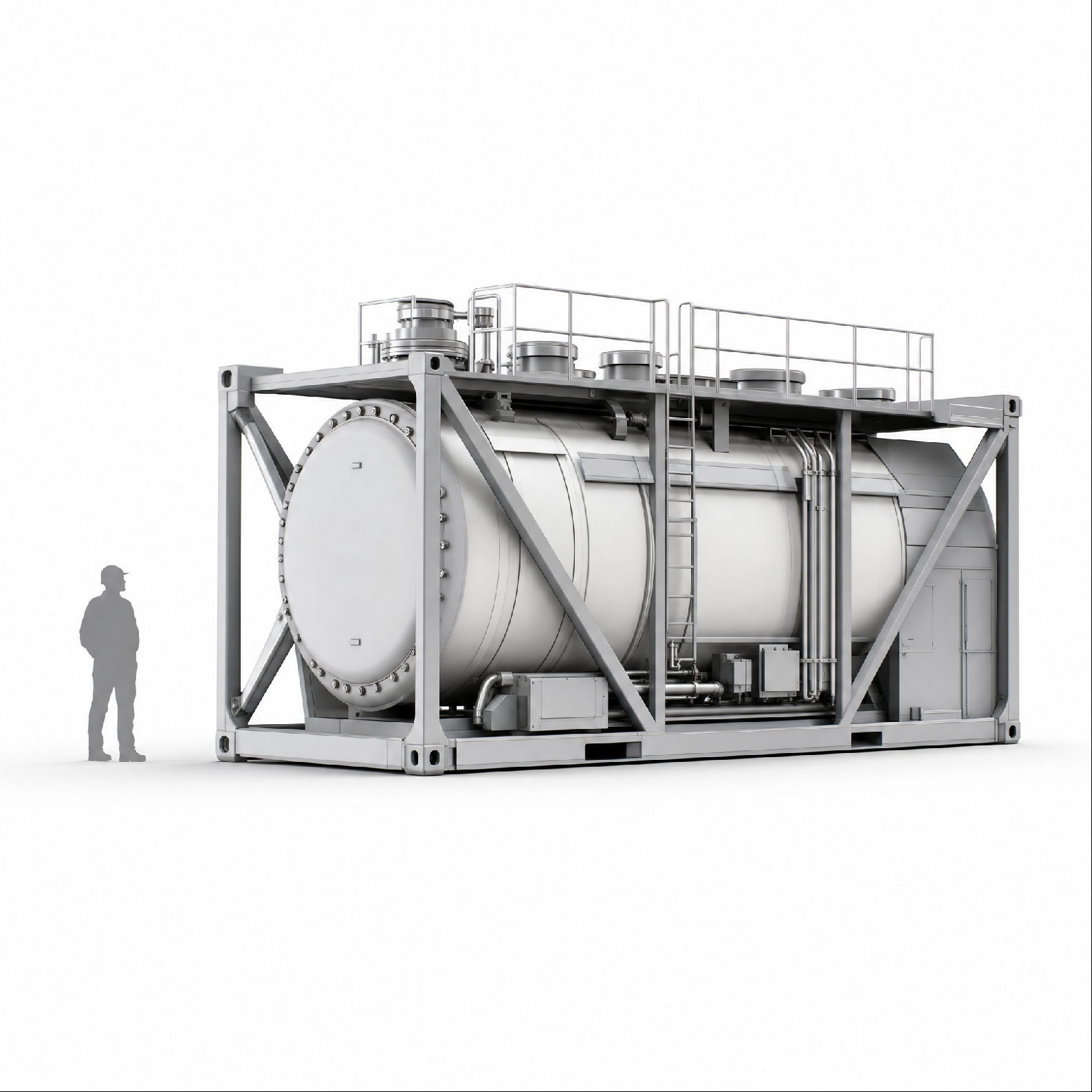
Small modular reactors (SMRs) are a fundamentally different proposition. As the name suggests, they are smaller, typically producing between 50 and 300 megawatts of electricity, compared to 1,000–1,600MW for a conventional reactor. They are factory-built in modular components and assembled on-site, which dramatically reduces construction time and cost variability.
As of mid-2026, the Nuclear Energy Agency (NEA) is tracking 127 SMR technologies under development across 18 countries, up from just a handful a decade ago. The first commercial SMRs are expected to come online this decade, with accelerated deployment anticipated in the 2030s.
|
Key characteristics of SMRs:
- Smaller physical footprint — can be sited on brownfield land or near industrial areas
- Factory fabrication reduces construction risk and cost compared to bespoke large reactors
- Modular design allows capacity to be scaled incrementally — add units as demand grows
- Enhanced passive safety systems that don't require external power or operator action to shut down safely
- Can operate as baseload power — running consistently regardless of weather, time of day, or season
- Designed to complement renewables, not replace them — filling the gaps when wind drops or hydro storage is low
|
 |
The global SMR pipeline: where things stand in 2026
Several major manufacturers are now approaching commercial deployment:
NuScale (US): The first SMR design to receive regulatory approval from the US Nuclear Regulatory Commission, NuScale's VOYGR module produces 77MW per unit. Multiple units can be combined for larger output.
GE Hitachi (US/Japan): The BWRX-300, a 300MW boiling water reactor design, has received regulatory attention in Canada and the US and is being considered in several European markets.
Rolls-Royce (UK): The Rolls-Royce SMR programme, backed by significant UK government investment, targets a 470MW plant design intended for deployment in the late 2020s and into the 2030s.
CATL/BYD (China): While primarily known as battery manufacturers, both companies are investing in next-generation energy infrastructure, including support for sodium-cooled fast reactor designs that could eventually power EV manufacturing and charging networks at industrial scale.
Toyota (Japan): Targeting small-scale solid-state battery EVs and partnering on SMR research, with demonstration deployments of the Canberra SMR concept anticipated around 2027–2028 in Japan.
The IPCC has found that pathways sufficient to limit global warming to 1.5°C require nuclear energy capacity to increase to 1,160 gigawatts by 2050, from 394 gigawatts in 2020, suggesting that nuclear at scale is viewed by climate science as part of the solution, not the problem.
The case for nuclear in New Zealand's energy future
1. Firm, weather independent baseload power
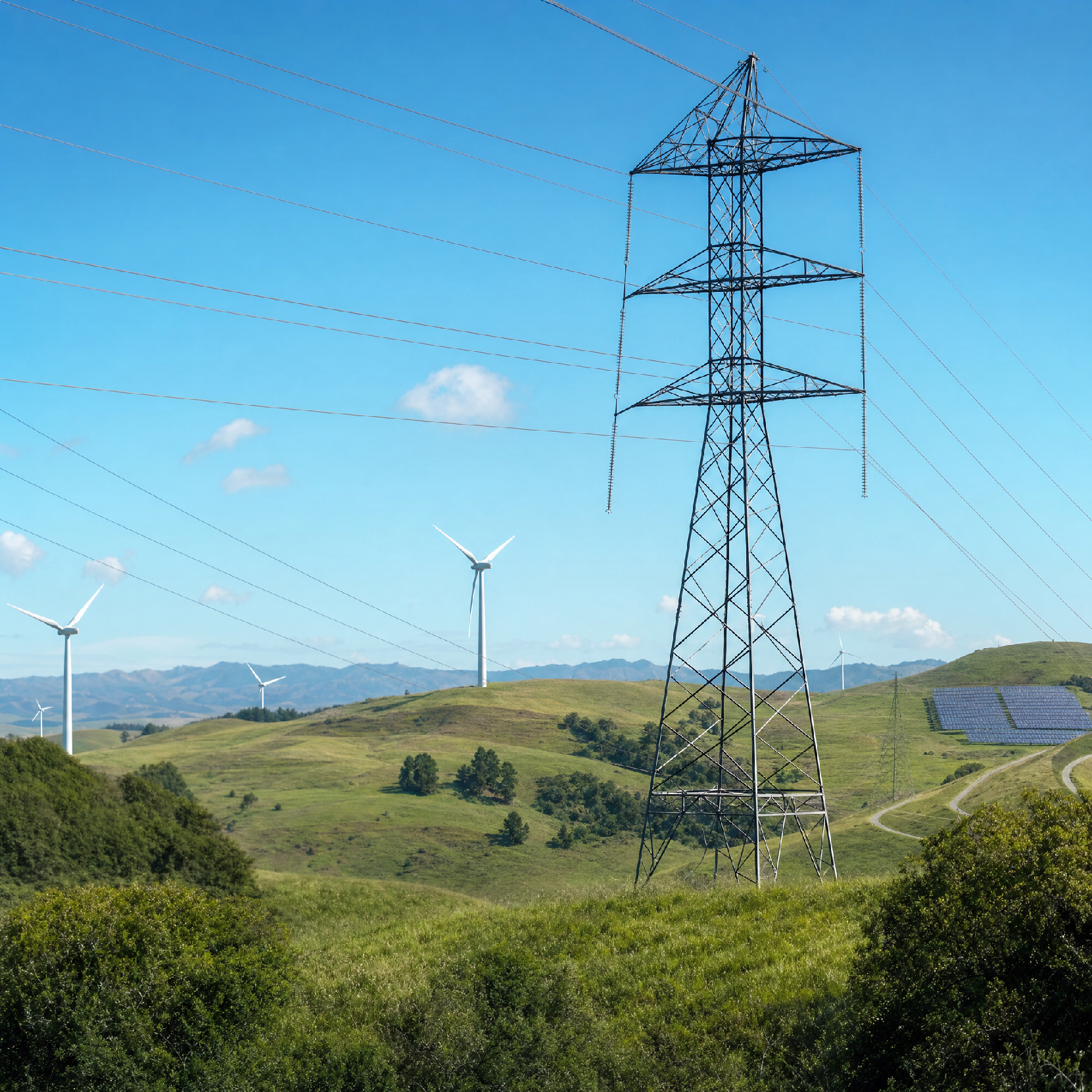
New Zealand's renewable grid has a structural vulnerability: hydro generation depends on rainfall. In dry years, which climate modelling suggests may become more frequent, hydro storage lakes run low, forcing the grid to lean on gas. An SMR provides firm generation that doesn't depend on rain, wind, or sunshine. For a grid that needs to reliably charge a million or more EVs overnight, that consistency has real value.
2. Decarbonising the hard to abate sectors
EVs are only one part of New Zealand's decarbonisation challenge. Heavy industry, high-temperature process heat, and green hydrogen production all require large amounts of reliable clean electricity. SMRs are being specifically designed for these industrial applications, providing process heat directly or generating green hydrogen as a byproduct of off-peak electricity.
3. A hedge against climate variability
As climate change alters rainfall patterns, New Zealand's hydro-dependent renewable system faces increasing uncertainty. Adding a non weather dependent clean source provides resilience that wind and solar alone cannot.
4. Declining costs and improving economics
If nuclear power is the future, small modular reactors are the pathway, potentially offering a flexible, scalable, always-available, potentially cost-effective means of generating clean energy. Factory fabrication is expected to bring SMR costs down significantly as production scales, in the same way that solar panel and wind turbine costs collapsed as manufacturing matured.
The case for caution
The nuclear conversation is not one-sided, and intellectual honesty requires acknowledging the genuine challenges.
Cost uncertainty remains significant. SMRs have not yet been built at commercial scale in Western markets, which means their projected costs carry real uncertainty. Several SMR projects have already been cancelled or delayed due to cost escalation, NuScale's Idaho project being a notable recent example. The history of large nuclear in the West is littered with massive budget overruns.
Waste remains a solved but unsettled problem. Nuclear waste can be safely stored and eventually disposed of, but long-term repository solutions remain politically and logistically complex in most countries. New Zealand would need to develop new regulatory frameworks and storage infrastructure from scratch.
New Zealand's nuclear-free legislation. The New Zealand Nuclear Free Zone, Disarmament, and Arms Control Act 1987 prohibits nuclear-powered vessels in NZ waters and the use of nuclear weapons, but does not explicitly prohibit nuclear power generation on New Zealand soil. However, successive governments have interpreted the nuclear-free identity broadly, and any shift would require significant political will and public debate.
Lead times vs urgency. Even optimistic SMR deployment timelines put large-scale commercial production in the early to mid 2030s. New Zealand's near-term grid needs, including charging infrastructure for 1 million EVs, will need to be met by other means in the interim. Renewables, grid storage, and demand management will do the heavy lifting for the next decade regardless.
Renewables are competitive and accelerating. New Zealand's geography gives it exceptional wind, geothermal, and solar resources. The case for nuclear becomes weaker if renewable generation continues to fall in cost and improve in reliability, and current trajectories suggest it will.
What does this mean for NZ EV owners today?
In the near term: nothing changes. New Zealand's EV charging emissions are already low by global standards, and the renewable grid continues to expand. If you're buying or charging an EV in New Zealand in 2026, you're already driving on some of the cleanest electricity in the world.
The nuclear question is a longer game, one that matters for where the grid is in 2035, 2040, and 2050. It's a conversation that serious energy policy thinkers in New Zealand are beginning to engage with, even if public debate has barely started.
Whether SMRs ultimately play a role in New Zealand's energy mix will depend on how costs evolve as the technology matures globally, how New Zealand's political conversation around the nuclear-free identity develops, and how well renewables and storage can meet the grid's growing demands without firm baseload backup.
|
 |
 |
The bottom line
The global nuclear renaissance is real, and SMR technology is meaningfully different from the large, expensive reactors of the 20th century. The case for considering nuclear as part of a diversified clean energy strategy is stronger in 2026 than it has been at any point in the past three decades.
Whether New Zealand joins that conversation, or watches from the sidelines as the rest of the world works it out remains to be seen.
What is clear is that the future of electric transport in New Zealand depends on a clean, reliable, and abundant grid. How that grid is powered over the coming decades is one of the most important energy questions the country faces. The SMR conversation deserves a place at the table.
|
This post presents multiple perspectives on a complex topic and does not advocate for a particular policy position. For more on EV ownership costs, battery technology, and servicing in New Zealand, explore the rest of our blog.
The content in this post is based on our own research, experience, and opinion and is intended for general informational purposes only. It does not constitute professional financial, technical, or legal advice. While we strive for accuracy, figures, regulations, and specifications referenced — including pricing, RUC rates, battery data, and technology timelines — are subject to change and may vary by circumstance. We encourage readers to conduct their own research and consult qualified professionals before making any significant purchasing or financial decisions. External links and references are provided for convenience and do not constitute endorsement.
Last updated: June 2026