Do old EV batteries just end up in landfill? Not even close. Here's what actually happens to electric car batteries at end of life, second-life storage, recycling, and material recovery
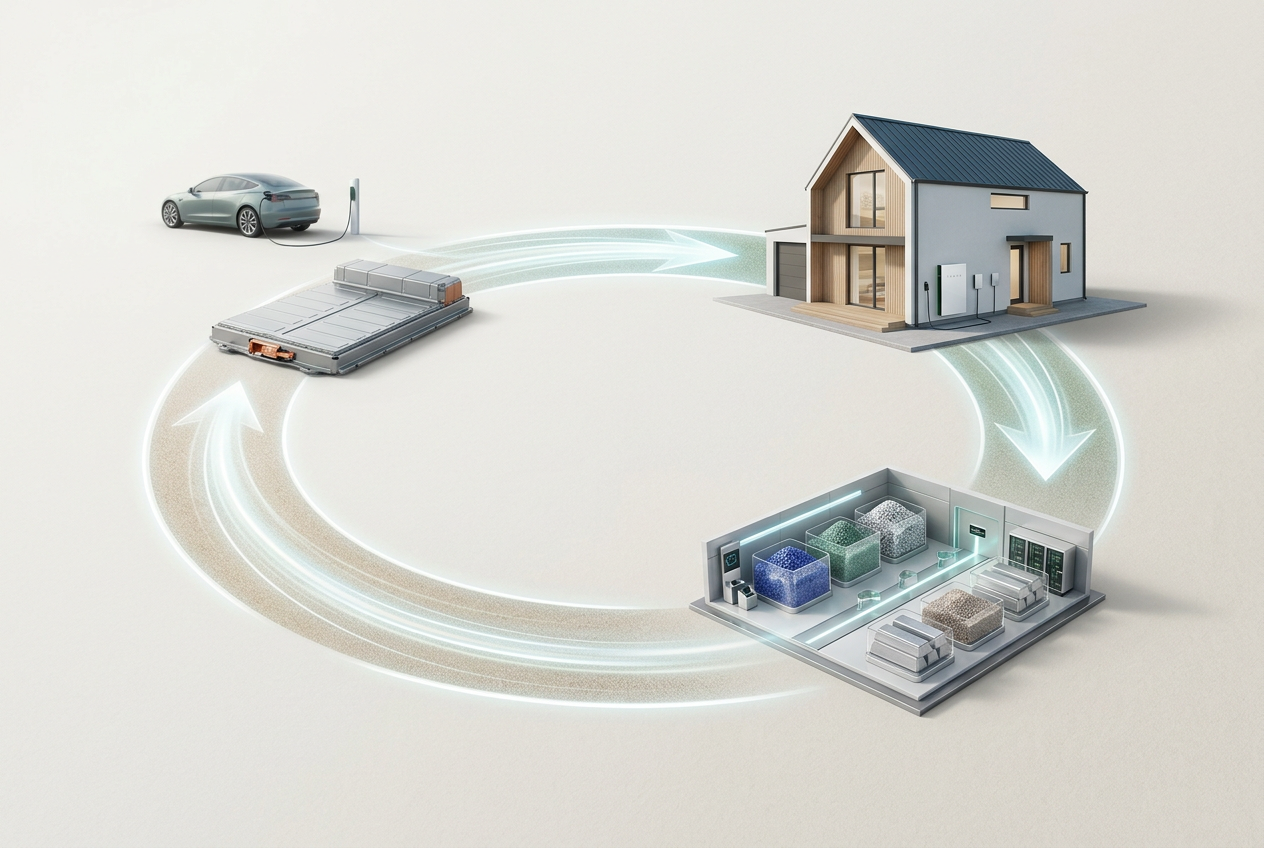
"They just end up in landfill." It's one of the most common criticisms levelled at electric vehicles, and one of the most out of date. The reality of what happens to an EV battery at the end of its life is not only far more reassuring than the myth, it's genuinely one of the more interesting aspects of the whole EV story.
Here's what actually happens to an electric car battery when it can no longer power a vehicle, and why "landfill" is close to the last place it ends up.
First: "end of life" doesn't mean "dead"
The single biggest misconception is what "end of life" actually means for an EV battery. When people imagine a worn-out battery, they picture something completely spent, like a dead AA battery. That's not how it works.
An EV battery is considered to have reached the end of its automotive life when its capacity drops to around 30% of original. At that point it no longer provides enough range for comfortable everyday driving, but it's still a large, powerful, perfectly functional battery. Most EV batteries retain useable capacity at end of vehicle life, enabling second-life uses like energy storage.
To put that in perspective: a battery that's "finished" as far as a car is concerned still holds 30% of its original energy. That's an enormous amount of usable storage capacity, far too valuable to throw away.
And these batteries last a long time in the vehicle first. Modern electric car batteries are designed to last 15-20 years, retain 60% - 70% capacity after 8-10 years, and are now up to 95% recyclable. In reality, most first-generation mass-market EVs are still in use, with the first major wave of true end-of-life EV battery returns expected to begin in the mid-2030s.
Stage one: a second life in energy storage
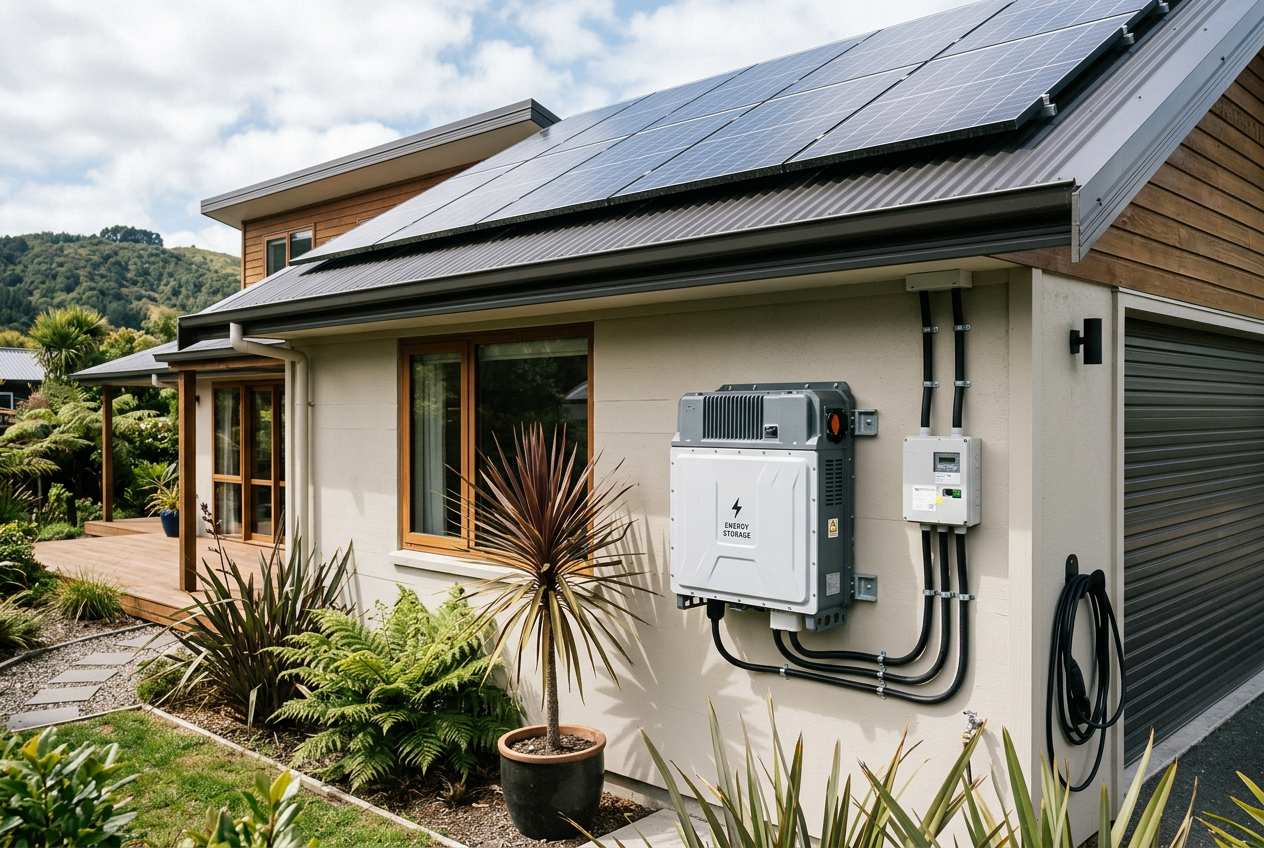
Before an EV battery is recycled, it typically enjoys a "second life" doing a less demanding job than powering a car.
The logic is simple. A battery that's no longer suitable for the constant charge-and-discharge demands of driving is still perfectly capable of the gentler task of stationary energy storage, storing solar power during the day to use at night, providing backup power, or helping balance the electricity grid.
In 2026, more than 120 GWh of EV batteries worldwide will reach end-of-vehicle life, but over half of those packs will still have 30% - 40% usable capacity. Instead of going straight to shredders, a growing share is being redeployed into home storage, commercial backup, and grid services.
Second-life projects give EV packs a 5-10 year encore before final recycling. A typical second-life workflow involves collecting retired packs, screening them for state of health and any faults, reconfiguring the healthy modules into stationary storage racks with new management systems, and deploying them into homes, businesses, or grid projects.
The scale of this is growing rapidly. Industry analysts expect second-life EV battery capacity to scale from roughly 25-30 GWh in 2025 to 330-350 GWh by 2030. These retired car batteries are becoming a significant new source of affordable energy storage, one study found that stationary energy storage demand could be met more than 100% by 2050 through the second use of end-of-life EV batteries alone.
So the first thing that happens to your EV's battery when it's done with your car isn't recycling, it's very often a decade-long second career storing renewable energy.
Stage two: recycling and material recovery

Eventually, even a second-life battery reaches the point where recycling makes more sense than continued use. This is where the "landfill" myth really falls apart.
Lithium-ion EV batteries are recyclable today, both in principle and in practice. Companies in North America, Europe, and Asia are already running commercial plants that take in end-of-life packs and turn them back into what the industry calls "black mass", a mix rich in lithium, nickel, cobalt, and manganese that can be refined into new battery-grade materials.
Modern recycling is remarkably effective. Hydrometallurgical processing now achieves recovery rates of around 95% for lithium, 95% for cobalt, and 97% for nickel. By 2026, modern recycling facilities can recover up to 95% of battery materials, significantly reducing the need for new mining.
This matters for two reasons. First, it means an EV battery is very far from waste, the vast majority of its valuable materials re-enter the supply chain to become new batteries. Second, it directly addresses the battery mining concern: recovered materials are becoming a strategic supply source, with global demand for EV battery capacity projected to roughly triple between 2024 and 2030. Every kilogram of lithium or nickel recovered from an old battery is a kilogram that doesn't need to be freshly mined.
Why batteries won't end up in landfill
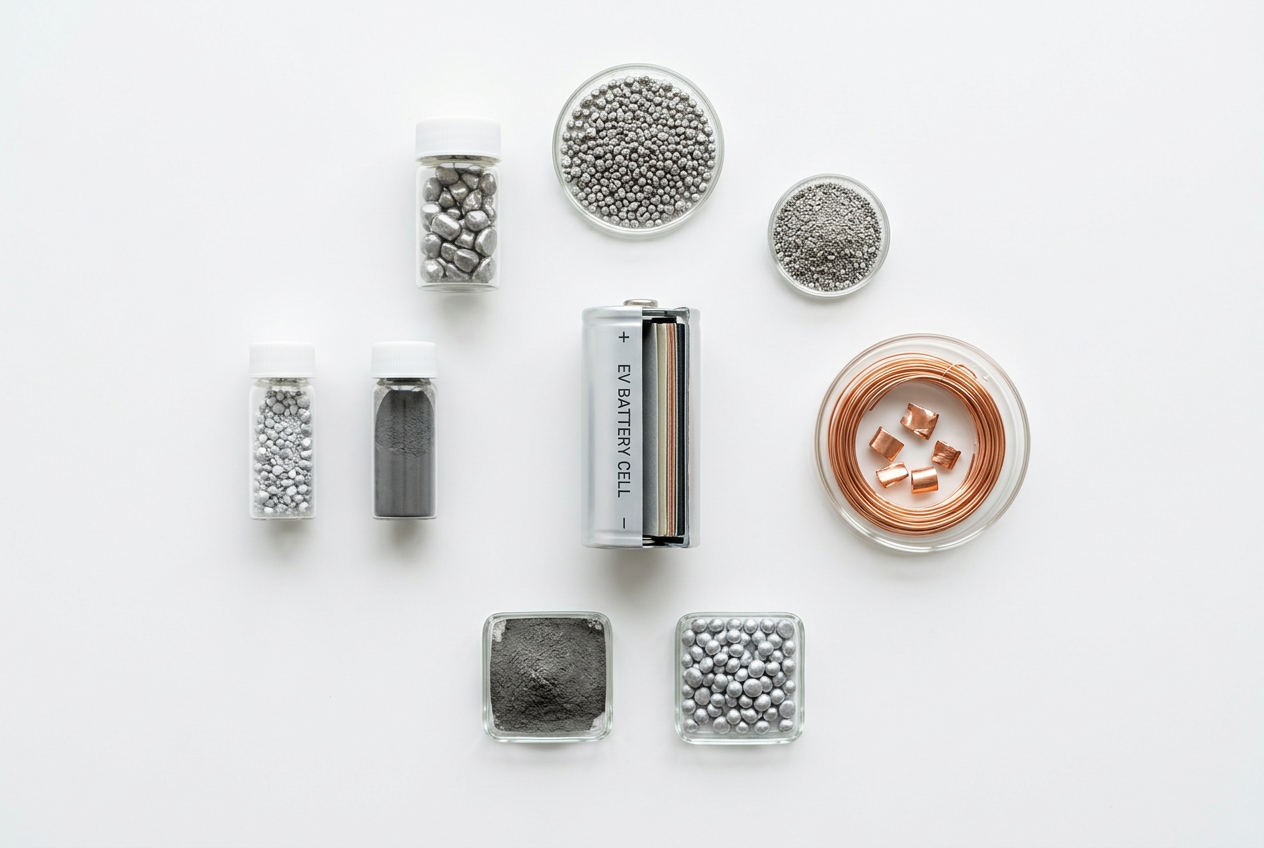
Beyond the environmental case, there's a simple economic reason EV batteries don't get dumped: they're far too valuable.
Modern EV batteries are large, trackable, and too valuable to simply throw away. An end-of-life pack contains thousands of dollars' worth of recoverable lithium, nickel, cobalt, copper, and other materials. The recycling industry has a strong financial incentive to recover these, the lithium-ion battery recycling market is projected to grow from about $6.9 billion in 2026 to $37.5 billion by 2035.
A battery pack is not like a plastic bottle that costs more to recycle than it's worth. It's a concentrated, valuable, trackable asset that recyclers actively want. The economics push firmly toward recovery, not disposal.
The New Zealand picture
New Zealand's EV battery recycling ecosystem is still developing, reflecting the fact that the first large wave of end-of-life EV batteries hasn't yet arrived here, most EVs on New Zealand roads, including the many used imports, are still well within their useful life.
A few things worth knowing for the NZ context:
- Several New Zealand operators are already handling EV battery repurposing and recycling, and the sector is growing in anticipation of larger volumes in the coming years.
- Some end-of-life and damaged EV batteries are currently processed offshore, as the domestic recycling infrastructure scales up to match future demand.
- Second-life applications are particularly well-suited to New Zealand's renewable-heavy grid and growing home solar market, retired EV batteries make excellent, affordable home solar storage.
- Because most EVs in New Zealand are still relatively young, the batteries in vehicles being bought and sold today have many years of automotive life ahead of them before any of this becomes relevant.
If you're buying a used EV in New Zealand now, end-of-life battery disposal is not something you'll need to think about for well over a decade, and by the time you do, the recycling and second-life infrastructure will be far more mature than it is today.
Addressing consumer doubt
It's worth acknowledging that public confidence hasn't caught up with the reality. A ULSE survey found that many adults aren't confident EV batteries are recycled or repurposed responsibly, and a significant proportion think EV batteries only last 5-8 years, when in reality most are covered by warranty for 8-10 years and many packs retain 60-70% capacity even after 12-15 years.
This gap between perception and reality is exactly why the "landfill" myth persists. But the facts are clear: EV batteries last far longer than most people think, enjoy a productive second life after the car, and are then recycled with the vast majority of their materials recovered. It's one of the more genuinely circular systems in modern manufacturing.
The bottom line
An EV battery's journey doesn't end when it can no longer power a car, that's closer to halftime than the finish. From there, it typically spends years storing renewable energy in a home or on the grid, and only then is it recycled, with up to 95% of its materials recovered to build new batteries.
Far from being an environmental liability destined for landfill, the end-of-life EV battery is increasingly part of a well-managed, increasingly circular system, one that gets more sophisticated every year. It's one of the quieter good-news stories of the EV transition, and a direct answer to one of its most common criticisms.
Disclaimer
The content in this post is based on our own research and publicly available industry information and is intended for general informational purposes only. Recycling capabilities, recovery rates, and second-life applications vary by region and are evolving rapidly. The New Zealand recycling landscape in particular is developing. We encourage readers to consult current local resources for the most up-to-date picture of EV battery recycling in New Zealand.
Target keywords: what happens to old EV batteries, are EV batteries recyclable, EV battery second life, EV battery recycling NZ